

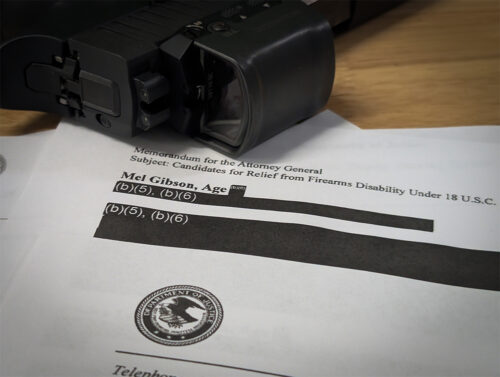
The Justice Department’s refusal to release records on firearm rights restoration decisions under the banner of privacy is a textbook case of bureaucratic self-protection dressed up as compassion. When the same agency that demands exhaustive personal disclosures from citizens seeking relief from federal prohibitions now claims those very records are too sensitive to share, it reveals a system designed to keep the rules opaque and the outcomes arbitrary. Ordinary Americans petitioning to regain their Second Amendment rights are left guessing at standards that shift with administrations, while DOJ insiders enjoy the luxury of operating without meaningful scrutiny or precedent.
This secrecy carries real consequences for the 2A community. Rights restoration under 18 U.S.C. § 925(c) was already gutted by congressional defunding decades ago, forcing most relief efforts into the courts or state-level processes that vary wildly by jurisdiction. Without public access to the criteria DOJ once applied—criminal history thresholds, time elapsed since conviction, evidence of rehabilitation—applicants cannot build strong cases or identify patterns of denial that might support broader legal challenges. The result is a chilling effect: fewer people pursue restoration because the process feels rigged, and the permanent loss of rights for non-violent offenders becomes normalized rather than exceptional.
For gun owners and advocates, the message is clear—transparency is not a threat to privacy but a prerequisite for fair administration of constitutional rights. If the government can strip and restore fundamental liberties behind closed doors, the Second Amendment risks becoming a privilege granted at bureaucratic discretion rather than a protected right. The 2A community should treat this withholding as another front in the fight for accountability, pushing for legislative fixes, FOIA reforms, or litigation that forces the standards into daylight where they belong.


