

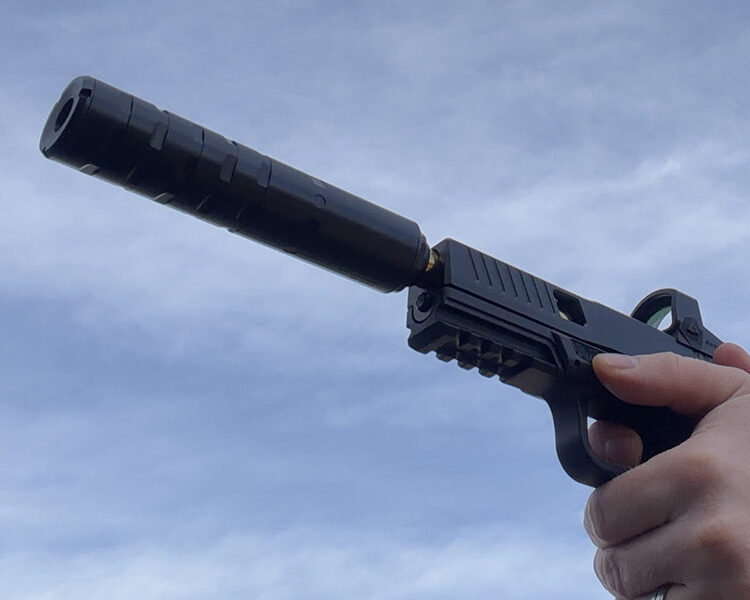
The elimination of the $200 tax stamp is more than a paperwork win—it’s a market signal that the suppressor is finally shedding its Hollywood “hit-man” stigma and entering the mainstream self-defense conversation. With manufacturing costs already trending downward and state-level restrictions loosening in places like Texas and Florida, the economics now favor everyday carry rather than niche competition or hunting use. That shift matters because sound signature is one of the last controllable variables in a defensive encounter: a 30-decibel reduction can preserve situational awareness, reduce recoil flinch, and limit the permanent hearing damage that so often sidelines armed citizens after a justified shooting.
For the broader 2A community the development is both opportunity and obligation. Opportunity, because millions of new gun owners who entered the market post-2020 are still forming habits; if training doctrine and insurance incentives begin to treat suppressors as standard safety equipment rather than exotic accessories, adoption could accelerate the same way red-dots did. Obligation, because any surge in ownership will invite fresh regulatory scrutiny—expect renewed pushes for “assault weapon” style features-based bans or mandatory serialization schemes disguised as public-health measures. The community’s task is therefore twofold: normalize responsible suppressor ownership through data-driven education on decibel metrics and failure-to-stop statistics, while simultaneously hardening the legal perimeter so that the next tax-stamp victory isn’t reversed by a single congressional markup session.


