

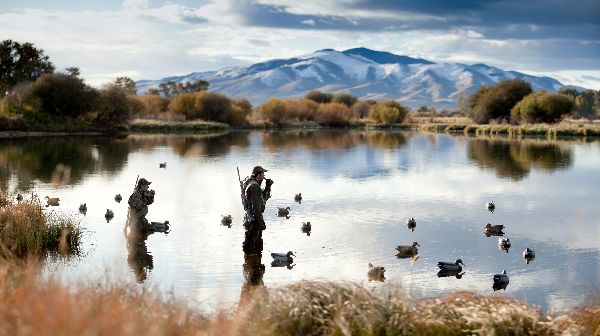
Constitutional amendments that explicitly protect the right to hunt and fish have popped up in roughly twenty states over the last two decades, and while they sound reassuring on paper, their real-world impact is often more symbolic than substantive. Courts have treated these provisions as reaffirmations of long-standing traditions rather than new, enforceable rights that can override game regulations, habitat restrictions, or even outright bans on certain methods of take. In practice, they rarely stop a wildlife agency from shortening seasons, limiting bag limits, or requiring expensive permits, which means the language mainly serves as political cover for legislators who want to appear pro-sportsman without surrendering regulatory power.
For the broader Second Amendment community the lesson is instructive: paper rights without strong judicial enforcement or cultural buy-in tend to erode under pressure from regulators and activist litigation. Just as a state “right to hunt” has not prevented California or New York from functionally disarming hunters through ammunition restrictions and magazine bans, a federal or state hunting amendment alone will not shield the right to keep and bear arms if courts continue to apply intermediate scrutiny or treat public safety as a trump card. The amendments do, however, provide useful political talking points and can blunt the narrative that outdoor traditions are somehow outside the Constitution’s protection.
Ultimately these provisions matter most as cultural markers rather than legal bulwarks; they signal that a state still values self-reliance and the heritage of taking game for food, but they also underscore why 2A advocates insist on textualist courts and state preemption laws rather than relying on hortatory constitutional language. Without that enforcement backbone, even the most eloquently worded “right to hunt” can become a dead letter the moment a well-funded animal-rights lawsuit or regulatory agency decides the tradition has to yield.


