

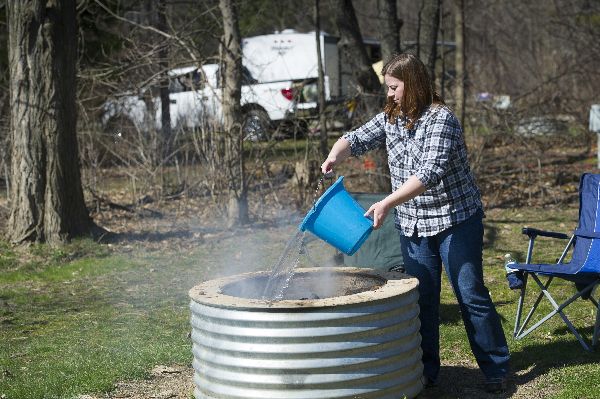
As wildfire risk climbs across northern Michigan, the DNR’s decision to suspend burn permits is a textbook reminder that government agencies often treat outdoor restrictions as their first, not last, resort. While the stated goal is public safety, these blanket suspensions can quickly morph into broader limitations on land use, especially when “high danger” declarations linger long after the immediate threat has passed. For the 2A community, the concern isn’t just about campfires—it’s about the precedent of centralized agencies deciding when and how citizens may responsibly manage their own property and defend it from encroaching threats.
The same dry conditions that elevate wildfire danger also underscore why armed self-reliance matters in rural and wooded areas. When response times stretch and official resources are stretched thin, a prepared landowner with both the tools and the training to protect structures becomes the first line of defense. Michigan’s strong shall-issue framework and constitutional carry provisions give residents the legal latitude to carry while working land or traveling between parcels, yet any expansion of “emergency” closures risks creating de-facto gun-free zones under the guise of fire prevention.
Ultimately, the DNR’s cautionary posture should prompt Second Amendment advocates to watch not only the burn-ban calendar but also the quiet accumulation of regulatory language that could later be repurposed against lawful firearm discharge on private land. Staying engaged with local sheriffs, county commissions, and sportsmen’s groups ensures that temporary fire restrictions remain narrowly tailored and that the right to keep and bear arms isn’t inadvertently trimmed alongside the underbrush.


