

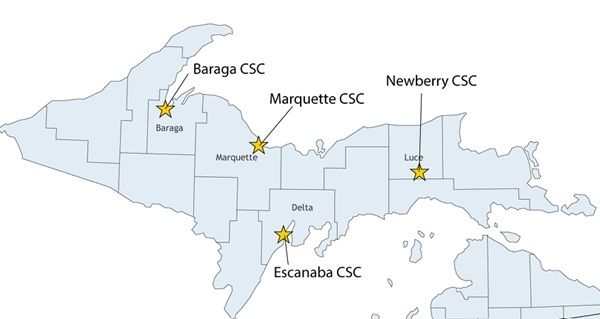
The Michigan DNR’s decision to slash walk-in hours at the Sault Ste. Marie Customer Service Center is more than a scheduling tweak—it’s another data point in the slow squeeze on everyday access to lawful hunting, trapping, and the paperwork that keeps law-abiding gun owners on the right side of the law. By shuttering the counter on Tuesdays and Thursdays, the agency is effectively telling northern Michigan sportsmen that if they need a license, a tag, or help navigating the state’s increasingly byzantine regs, they’ll have to burn a weekday, drive farther to Newberry, or hope the phone queue moves faster than a doe at first light. For many rural Second Amendment supporters who already juggle work, family, and the short seasons that define their traditions, that extra friction isn’t neutral; it’s a quiet tax on the right to keep and bear arms in the field.
What makes the change especially galling is the contrast with the DNR’s own rhetoric about “customer service” and “modernization.” While the press release touts phone and online options, anyone who has tried to resolve a licensing glitch over the phone during peak season knows the system often funnels callers into the same understaffed black hole the walk-in window was meant to bypass. The 2A community has watched this pattern before: first reduce in-person help, then raise fees to “cover costs,” then wonder why participation numbers dip. Each step chips away at the practical ability of ordinary citizens to exercise their rights without jumping through hoops that urban bureaucrats never have to face.
The larger implication is unmistakable. When government makes it harder to obtain the permits and tags required to hunt or possess certain firearms, it isn’t expanding public safety—it’s rationing a constitutional liberty by inconvenience. Michigan’s sportsmen and sportswomen have a long memory for these incremental restrictions, and they’re already organizing calls to legislators and the Natural Resources Commission. If the DNR wants to prove it still values the heritage that funds conservation through license sales, it should restore full hours before the next season opens, not after another round of complaints lands on the governor’s desk.


