

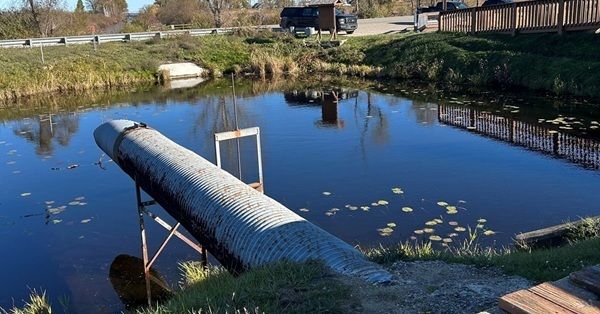
The Michigan DNR’s decision to rebuild the aging dike, dam, and pumphouse at Houghton Lake Flats South Unit is more than routine maintenance—it’s a reminder that the same state agencies managing our public lands also control the regulatory levers that can quietly restrict access. When water levels are properly managed, the flats become magnets for waterfowl, drawing hunters who rely on stable habitat to plan seasons, choose leases, and pass on traditions. Restoring that control means more consistent bird numbers, which in turn keeps local sporting-goods shops, boat liveries, and rural economies humming—precisely the kind of activity the 2A community defends when anti-hunting voices try to shrink opportunity under the banner of “habitat protection.”
Beyond the immediate wildlife boost for trumpeter swans and osprey, the project underscores a larger truth: functioning infrastructure on public land is the backbone of the North American Model of Wildlife Conservation, a system funded largely by hunters and anglers through excise taxes and license dollars. Every repaired pipe and replaced concrete spillway represents an investment made possible because Second Amendment supporters continue to purchase firearms and ammunition that generate Pittman-Robertson dollars. When those funds are spent wisely—as they appear to be here—the result is measurable habitat gain rather than another layer of restriction. Conversely, if bureaucratic delays or shifting political priorities had left the dike to crumble, the likely outcome would have been reduced hunter access framed as an “emergency closure,” a pattern 2A advocates have seen too often on federal and state parcels.
For Michigan gun owners who also carry shotguns into the marsh each fall, the takeaway is straightforward: stay engaged with DNR planning meetings, support groups that pair habitat work with access guarantees, and recognize that keeping land open and productive is inseparable from keeping the right to bear arms meaningful. A rebuilt water-control system at Houghton Lake Flats won’t make headlines in the culture war, but it quietly strengthens one more link in the chain that connects healthy habitat, sustainable harvest, and the constitutional freedoms that make both possible.


