

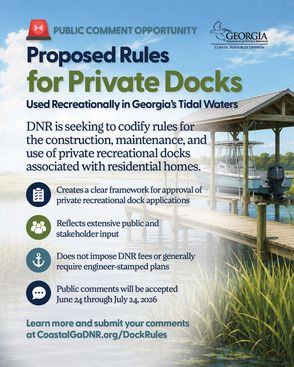
Georgia’s coastal homeowners and boaters are about to feel the weight of another layer of state oversight, and the timing couldn’t be more instructive for anyone who values the right to keep and bear arms. By converting an informal permitting handshake into a formal, revocable-license regime, the Department of Natural Resources is reminding citizens that property interests touching public resources are ultimately privileges doled out by bureaucrats rather than rights secured by the people. That same logic—once accepted on the waterfront—travels inland to the gun safe: if the state can condition the use of your own pilings on its continued good will, it can just as easily condition the storage, transport, or even possession of firearms on ever-shifting administrative “standards.”
The July 2026 comment deadline may look distant, yet the precedent being set is immediate. Every new restriction framed as “environmental protection” or “public safety” trains regulators and courts to treat constitutional guarantees as negotiable licenses rather than hard limits on government power. Second Amendment advocates who shrug at dock rules are ignoring how easily the same agencies and the same legal theories migrate to magazine-capacity limits, permitting schemes for carry, or “sensitive-place” designations that follow you from the water’s edge to the town square. Property and arms are both forms of self-reliance; erode the former and you normalize the paperwork culture that threatens the latter.
Rather than waiting for the next coastal rule to morph into the next gun-control proposal, coastal Georgians—and every other 2A supporter—should treat this comment period as a dry-run for defending broader liberties. Submit a note tying the revocable-license model to the constitutional text that begins “the right of the people,” and you begin to build the record that courts and legislators cannot ignore when the next agency tries to turn the Second Amendment itself into just another permit.


