

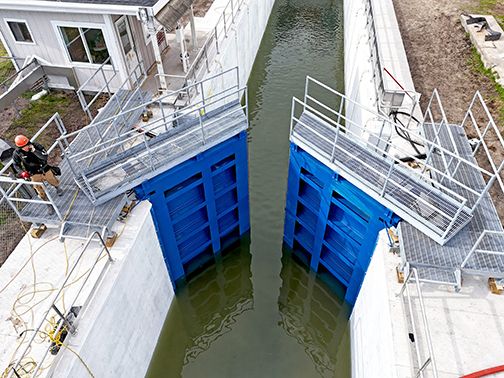
The reopening of the Cheboygan Lock isn’t just good news for boaters and anglers—it’s a textbook reminder of how federal oversight and multi-agency coordination can throttle access to public waterways when infrastructure falters. Regulated by the Federal Energy Regulatory Commission and patched together by the DNR, State Police, Consumers Energy, and the Army Corps of Engineers, the lock’s emergency closure exposed the fragility of systems that 2A advocates know all too well: when government controls the gates, law-abiding citizens often pay the price in restricted movement and delayed recreation. The swift repair effort shows what’s possible with decisive action, yet it also underscores why self-reliant sportsmen keep their own boats, trailers, and backup routes ready—because tomorrow’s high water or bureaucratic delay could close the next passage without warning.
For the firearms community, the story carries a deeper parallel. Just as locks and dams sit under layers of federal permitting that can swing shut overnight, so too can ranges, public lands, and even the simple right to transport firearms across state lines when regulatory creep expands. The same agencies that mobilized for the Cheboygan fix have, in other contexts, been tasked with enforcing ever-tighter rules on everything from lead ammunition to magazine capacity. Pro-2A citizens recognize that infrastructure resilience and individual liberty travel together; when the lock reopens, it’s a small victory against centralized control, but it also serves as a prompt to stay engaged at every level—local, state, and federal—to keep both waterways and constitutional rights from being locked down again by the next crisis or reinterpretation of authority.


