

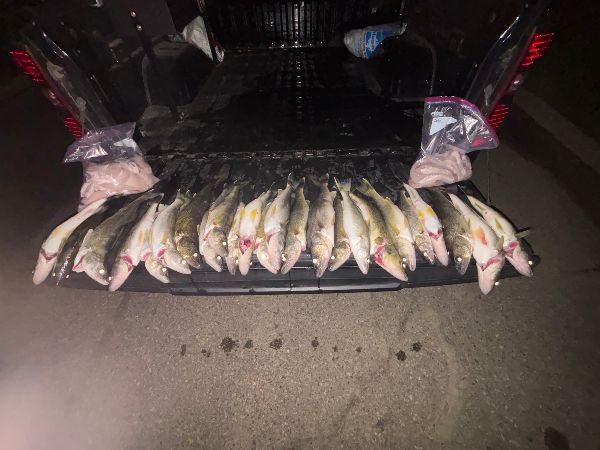
Michigan’s DNR is cracking down on anglers who can’t count to six, and the Detroit River walleye busts offer a textbook case of how quickly “just a couple extra” turns into a resource raid that hurts everyone who plays by the rules. When conservation officers pull multiple limits from the same boat, they’re not just writing tickets—they’re protecting a recovering fishery that took decades of careful management to rebuild. The same principle applies to the Second Amendment: limits exist to prevent abuse, but the moment regulators treat every lawful participant as a potential violator, the burden shifts from the bad actor to the entire community.
For gun owners, the lesson is obvious. Just as a handful of over-limit anglers can trigger tighter seasons or reduced bag limits for everyone, a few high-profile misuse cases are routinely used to justify magazine bans, registration schemes, and “may-issue” permitting that never sunset once passed. The DNR’s emphasis on enforcement shows that targeted patrols against actual violators work; the same focused approach—prosecuting straw purchasers, violent felons, and traffickers—would do far more for public safety than the scatter-shot restrictions pushed by anti-gun activists. When law-abiding citizens demonstrate they can self-police, the case for further restrictions collapses.
Ultimately, both the river and the range depend on the same cultural habit: respect the limit, call out the cheaters, and refuse to let collective punishment become the default. If sportsmen and shooters alike treat every new rule as an invitation to push back rather than an inevitability to accept, the resource—and the right—stays healthy for the next generation.


