

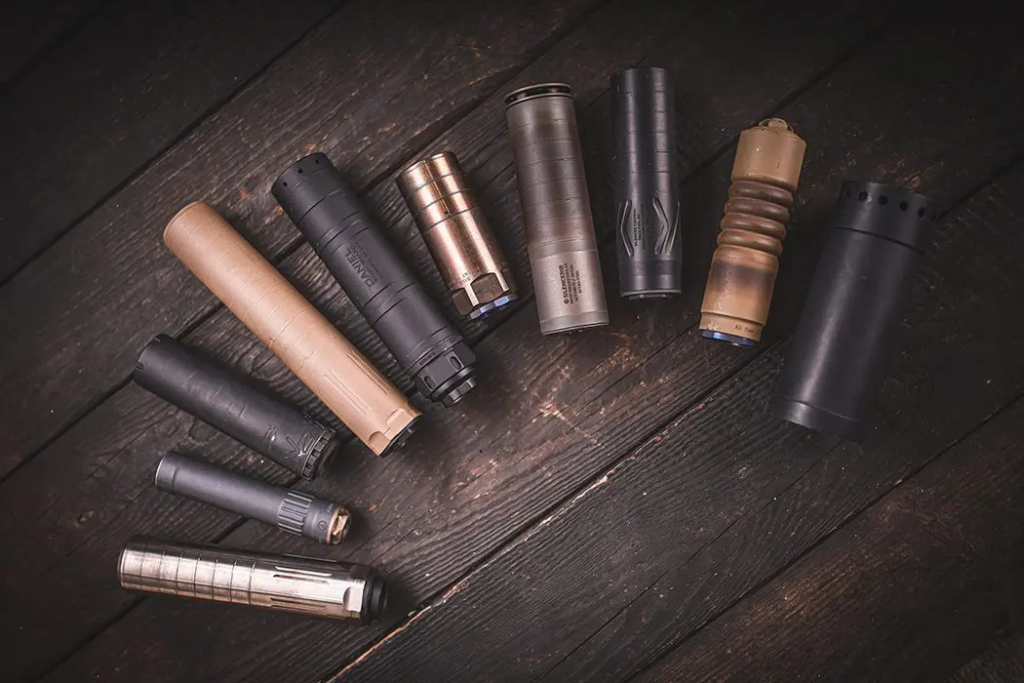
The bill from New Jersey’s Rep. Mikie Sherrill isn’t just another gun-control measure; it’s a textbook example of how lawmakers weaponize scary-sounding language to strip away a safety device that’s been legal at the federal level since 1934. Suppressors reduce the report of a gunshot to hearing-safe levels, protect shooters’ ears, and make range time far more neighbor-friendly—yet Sherrill brands them “tools of murder” with zero legal use. That claim collapses the moment you look at the data: the ATF’s own records show suppressor-related crimes are statistically nonexistent, while millions of law-abiding owners use them daily for everything from hog hunting to home defense without a single recorded instance of the mythical “silent assassin” scenario anti-gunners keep peddling.
What makes this push especially tone-deaf is its timing. With crime rates still elevated in many blue cities and law-enforcement agencies stretched thin, Sherrill is effectively telling citizens they can’t own the very device that lets them train more often and more comfortably—skills that directly translate to better marksmanship and safer gun handling. The “law enforcement officials” she cites are the usual suspects from big-city departments already hostile to gun owners; rank-and-file cops and rural sheriffs overwhelmingly support suppressor access because it reduces hearing loss claims and lets them hear what’s happening around them during a critical incident.
For the 2A community, this isn’t an isolated skirmish—it’s another data point in the long march toward normalizing the idea that anything that makes guns quieter, more accurate, or more ergonomic is inherently suspect. If suppressors can be rebranded overnight as “tools of murder,” the same rhetorical trick can be applied to red-dot sights, folding stocks, or even standard-capacity magazines. The fight here isn’t just about a metal tube; it’s about whether the Second Amendment will be allowed to evolve with technology or whether every safety and training improvement will be met with fresh prohibition efforts dressed up as public-safety theater.


