

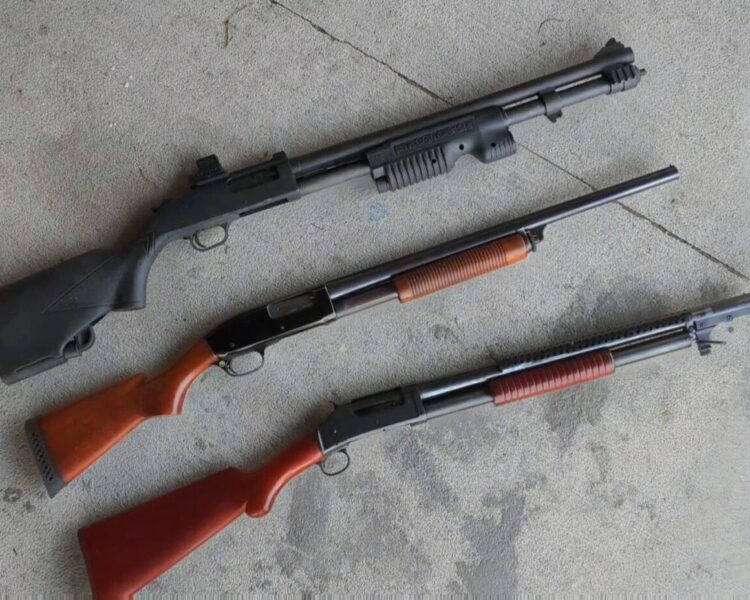
There’s a reason the author puts a quality light at the very top of the list: in a defensive encounter, you can’t shoot what you can’t see, and the legal standard for using deadly force hinges on a reasonable belief that your life is in danger. A weapon-mounted light turns a scattergun from a blunt instrument into a precision tool that lets you positively identify a threat before the trigger is pulled—an especially critical distinction in the low-light environments where most home invasions occur. That single accessory also carries a powerful deterrent effect; the sudden blast of 1,000 lumens in a dark hallway has ended more than a few confrontations without a shot being fired, preserving both life and the shooter’s legal standing.
Beyond illumination, the remaining accessories—sling, sidesaddle or receiver-mounted shell carrier, quality defensive buckshot, and perhaps an aftermarket stock or optic—shift the platform from “grandpa’s duck gun” to a purpose-built defensive tool without crossing into mall-ninja territory. Each addition incrementally improves reload speed, ammunition management, and shooter ergonomics, yet none of them replaces the fundamentals of training and mindset. For the 2A community, this hierarchy is a quiet rebuke to the notion that gear alone equals readiness; it underscores that rights are exercised most effectively when citizens pair constitutionally protected tools with disciplined preparation rather than gadget accumulation.
Ultimately, the ranking reminds us that the shotgun’s enduring popularity in defensive roles stems from its inherent versatility and the relatively low regulatory burden it faces compared with many modern sporting rifles. By focusing first on the light and then on practical enhancements, owners demonstrate responsible stewardship of their Second Amendment rights—arming themselves not for show, but for the sober duty of protecting home and family when seconds count and help is minutes away.


