

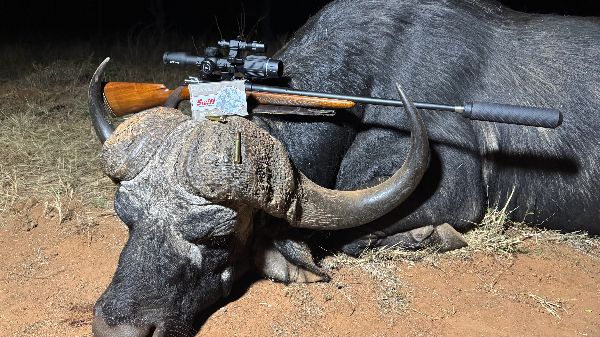
The Recon XL’s performance on a .375 H&H during a Cape buffalo hunt isn’t just another gear review—it’s a real-world demonstration that modern suppressor technology can tame even the most punishing African cartridges without sacrificing the precision required when the margin for error is measured in inches. By cutting recoil enough to keep the shooter’s eye locked on target and the rifle’s zero rock-steady after repeated shots, Engaged Industries has shown that sound moderation and terminal performance are no longer mutually exclusive. That matters in places where professional hunters and PHs still view suppressors with a mix of curiosity and skepticism; once they see a 2,000-pound animal dropped cleanly because the shooter wasn’t fighting muzzle rise, the conversation shifts from “why bother?” to “where do I get one?”
For the broader Second Amendment community, this story underscores how suppressors have evolved from niche accessories into legitimate tools that enhance both safety and effectiveness. Every decibel reduced is hearing preserved, and every inch of felt recoil eliminated is a round that stays on target—arguments that resonate far beyond the African savanna and straight into the range, the back forty, or the legislative hearing room. When a suppressor built for dangerous-game rifles earns the respect of guides who stake their lives on shot placement, it quietly dismantles the old “silencers are only for assassins” narrative and replaces it with data: lower noise, lower recoil, tighter groups, and zero loss of zero. That’s the kind of evidence that turns fence-sitting legislators and casual shooters alike into advocates.


