

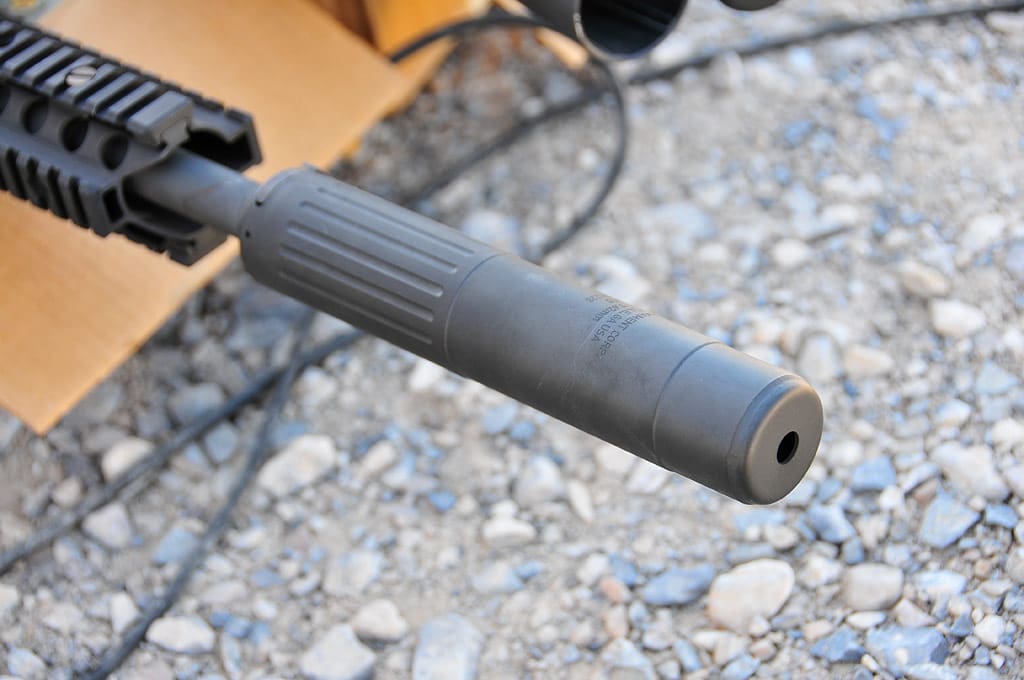
The Fifth Circuit’s decision that suppressors qualify as protected arms under the Second Amendment is more than a technical win—it’s a direct rebuke to the government’s long-running effort to treat sound-reduction devices as mere accessories that can be regulated out of existence. By rejecting the argument that silencers fall outside constitutional protection simply because they don’t fire projectiles, the court has forced a reckoning with the plain text and historical understanding of the right to keep and bear arms. This ruling chips away at the arbitrary line the ATF has drawn between “firearms” and “accessories,” a distinction that has allowed decades of regulatory creep without meaningful Second Amendment scrutiny.
For the 2A community, the decision signals that courts are increasingly unwilling to let the government redefine common firearm components as outside the Amendment’s reach. The growing circuit split means the issue is headed for the Supreme Court, where the same originalist logic that protected braces and magazines could finally settle whether the right to bear arms includes the right to bear them quietly. Practically, this opens the door to broader challenges against the NFA’s $200 tax stamp, registration requirements, and the de facto ban on suppressor ownership in several states—measures that have long been justified by little more than public-safety theater rather than constitutional text or history.
The ruling also underscores a deeper cultural shift: suppressors are no longer fringe items associated with Hollywood assassins but mainstream safety tools that reduce hearing damage for millions of lawful shooters. By recognizing them as protected arms, the Fifth Circuit has aligned the law with both technological reality and the Amendment’s purpose of preserving an effective right to self-defense and recreation. The government’s loss here is not just about one device; it’s a warning that every attempt to slice the right to keep and bear arms into ever-smaller regulatory pieces will face increasingly skeptical judicial review.


