

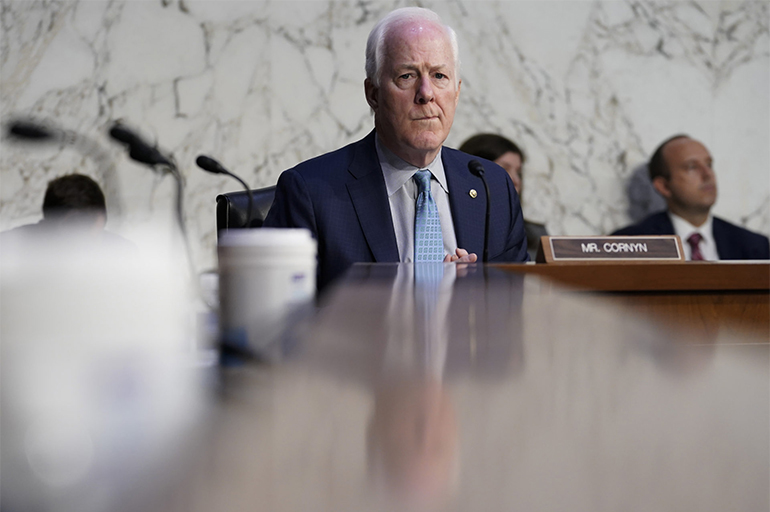
Texans delivered a decisive rebuke to John Cornyn that went far beyond one primary-night headline, sending a clear message that decades of quiet compromises on the Second Amendment carry a political price. Cornyn’s fingerprints were all over the 2022 Bipartisan Safer Communities Act, a bill that expanded federal background-check reporting, funded “red flag” style grants, and handed the ATF new tools to harass FFLs—measures sold as “common sense” that nonetheless chipped away at due-process protections and created fresh avenues for future gun-control expansion. Voters remembered how the senator repeatedly assured the grassroots he would protect the right to keep and bear arms, only to cut deals in back rooms that handed anti-gun Democrats legislative wins they could never have achieved on their own.
The ripple effects inside the pro-2A movement are immediate and instructive. Cornyn’s defeat removes a reliable inside player who could be counted on to water down stronger reform language and then claim victory for “getting something done,” a pattern that has frustrated reform-minded gun owners for years. With his seat now open, Texas Republicans have an opportunity to elevate a candidate who treats the Second Amendment as a hard constraint rather than a bargaining chip—an upgrade that could shift the balance of power on key Senate committees and stiffen resistance to any renewed push for magazine bans, pistol braces, or universal checks. For the broader community, the lesson is equally sharp: primary accountability works when activists track voting records instead of press releases, and when they reward legislators who treat constitutional rights as non-negotiable rather than negotiable talking points.


