

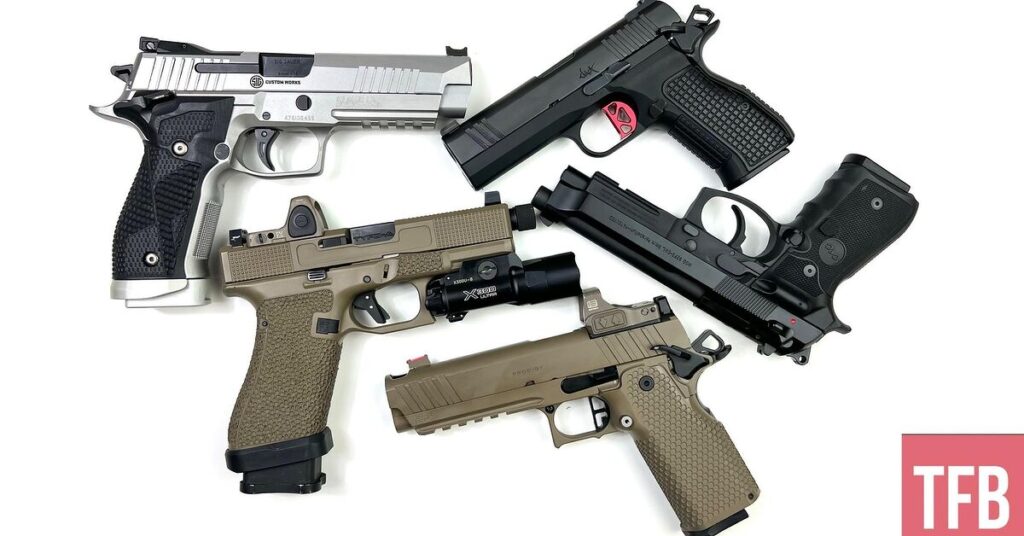
Carrying a customized pistol isn’t just about aesthetics or squeezing out a few extra rounds of performance; it’s a statement that the Second Amendment protects an individual’s right to tailor their tools of self-defense to their own needs and preferences. When shooters invest time and money in trigger jobs, optic cuts, and stippling, they’re exercising the same liberty that lets them choose which caliber or platform best fits their body type and lifestyle. That freedom, however, comes with the practical reality that modifications can affect reliability, holster compatibility, and even legal standing in restrictive jurisdictions where “altered firearms” invite extra scrutiny from law enforcement.
For the concealed-carry community, the takeaway is clear: customization should enhance—not complicate—your ability to carry daily without drawing unwanted attention or creating mechanical headaches. A red-dot sight may shave seconds off target acquisition under stress, yet it also demands a holster designed for the taller profile and a renewed commitment to consistent training so the optic doesn’t become a liability when seconds count. Likewise, lighter triggers improve accuracy on the range but require shooters to maintain stricter trigger discipline to avoid negligent discharges in appendix or pocket carry.
Ultimately, the concealed-carry practitioner who understands both the empowerment and the trade-offs of customization embodies the responsible exercise of Second Amendment rights—balancing personal choice with the duty to remain safe, legal, and prepared.


