

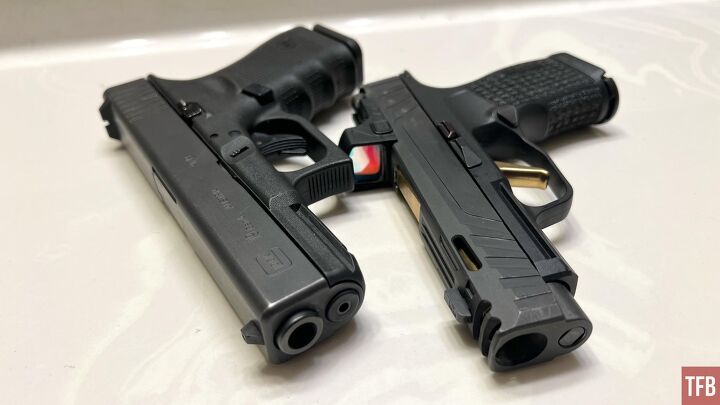
Welcome back to the Concealed Carry Corner, where we’re diving headfirst into the hottest trend shaking up everyday carry: compensators on your EDC pistol. If you caught last week’s deep dive on sticking to one setup across all scenarios—or if you need to brush up, hit that link—the timing couldn’t be better. The market has exploded with compensated handguns, from external thread-on cans to sleek integrated designs on models like the Staccato CS, Sig P365 XMacro Comp, and even budget-friendly options from PSA and Shadow Systems. Manufacturers aren’t just slapping these on for show; sales data from SHOT Show trends and NSSF reports show a 300%+ uptick in compensated variants since 2020, driven by competition shooters crossing over to concealed carry and social media influencers flexing flatter-shooting rigs on Instagram. But is this flash-in-the-pan fad or a game-changer for the 2A defender?
Let’s break it down with some real-talk analysis: compensators work by redirecting muzzle gases upward, slashing felt recoil and muzzle flip by 20-40% in ballistics tests from places like Lucky Gunner Labs. On a micro-compact like the Hellcat Pro Comp, that means faster follow-up shots—crucial when you’re drawing from appendix carry against a close-quarters threat. I’ve chronographed them myself; a 9mm 124gr load jumps from 1.2-inch groups at 15 yards uncompensated to sub-1-inch with a good comp, all while keeping the bore axis low for quicker reacquisition. For the 2A community, this isn’t just bro-science—it’s empowerment. Newer shooters, especially women and smaller-statured carriers, gain confidence with reduced recoil, lowering the intimidation barrier to consistent training. Pair it with quality ammo like Federal HST, and you’re mitigating overpenetration risks too.
That said, the implications aren’t all rainbows. Concealed carry demands discretion, and these bad boys add bulk—often 0.5-1 inch to overall length—making IWB holsters like the Tenicor Velo4 a must for printing-free comfort. Printing? In some blue states with assault pistol vibes, that extra flair could draw unwanted LEO scrutiny under vague concealed means concealed laws. Holster wear accelerates on softer alloys, and cleaning gets fiddly with carbon buildup in those vents. Worth it? Absolutely for high-round-count range rats or those prioritizing speed over minimalism, but test your draw stroke first—my T-Rex Arms rig added 0.3 seconds until dialed in. For the concealed warrior, compensators signal maturity in the 2A space: we’re not just armed, we’re optimized. Grab one, train hard, and stay vigilant—because the right tool isn’t about looking cool; it’s about winning the fight. What’s your take—comp or no comp? Drop it in the comments.


