

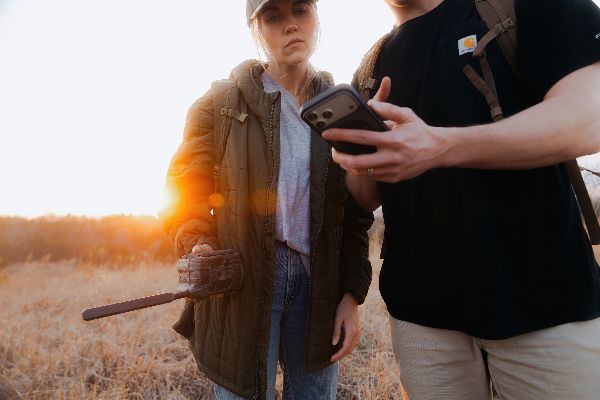
Stealth Cam’s refreshed Command app and its new 3.0-series cameras—led by the Deceptor MAX 3.0, Revolver PRO 3.0, and Spectre 4K Pro—signal more than incremental upgrades; they represent a decisive step toward making cellular scouting both smarter and more self-sufficient. The AI-driven false-image filter slashes the hours hunters once spent sifting through wind-blown branches or vehicle headlights, while Rack Alert and selectable PIR zones let users zero in on mature bucks without broadcasting every passing doe. Solar-ready lithium packs further untether these units from frequent battery swaps, an advantage that matters when property access is limited by season, weather, or the simple fact that many serious hunters now manage multiple tracts across county lines.
For the 2A community, these refinements carry a deeper implication: the same technology that sharpens whitetail intel also hardens the case for private-land autonomy. When a hunter can receive a verified photo of a shooter buck at 2 a.m. and decide—without ever stepping onto the property—whether to adjust stand placement or hold off, the data loop stays inside the individual’s control rather than relying on shared networks or third-party observers. That autonomy dovetails with the broader principle that responsible citizens should be free to gather information on their own land using tools of their choosing, just as they are free to choose the firearms that best suit their needs.
Ultimately, Stealth Cam’s move to embed AI at the edge of the camera, rather than in the cloud, keeps sensitive location data closer to the owner and reduces the attack surface that could expose hunt plans to outsiders. In an era when regulatory pressure on both digital privacy and lawful firearm ownership continues to mount, gear that minimizes external dependencies isn’t merely convenient—it’s quietly strategic.


