

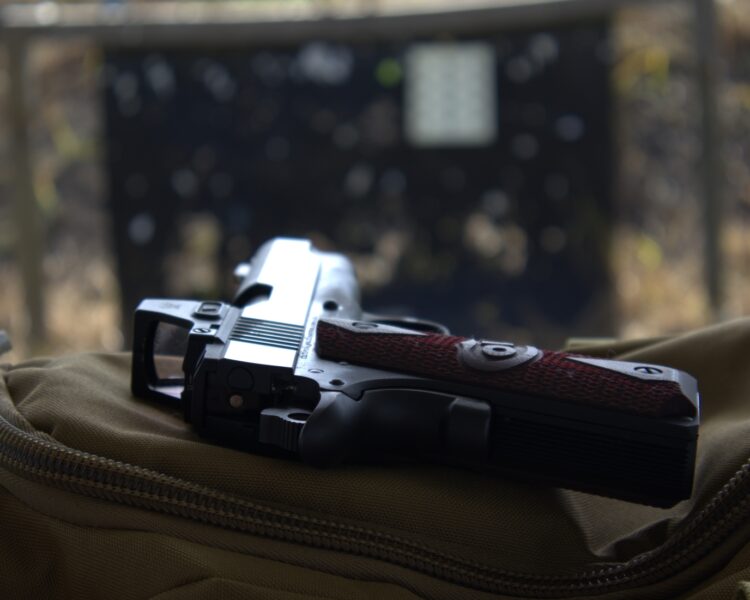
The Colt Lightweight Commander’s new optics-ready configuration isn’t just a factory upgrade—it’s a quiet admission that even the most traditional 1911 platform must evolve to stay relevant in a market where red-dot pistols dominate carry classes. By machining the slide for direct-mount micro-optics while retaining the slim, anodized-aluminum single-stack frame that made the Commander famous, Colt has effectively bridged the gap between classic steel-frame reliability and the speed-to-sight advantages shooters now expect from striker-fired competitors. That matters because the 1911 platform still carries enormous cultural weight inside the 2A community; when a legacy manufacturer like Colt validates the optic trend on one of its most iconic carry guns, it signals that the aftermarket no longer has to do all the heavy lifting for modern defensive use.
More importantly, the move reinforces the principle that lawful gun owners—not regulators—should decide how their defensive tools are configured. Optics-ready Commanders give private citizens the same sighting options law-enforcement agencies have adopted, without forcing anyone into a one-size-fits-all platform. In an era when some states are attempting to restrict magazine capacity, feature sets, or even the mere presence of an optic rail, Colt’s decision quietly expands the envelope of what remains legally obtainable and practically effective for everyday carry. The result is a pistol that honors John Browning’s original layout while acknowledging that today’s defensive shooter values faster target acquisition and lower-light performance as much as the 1911’s single-action trigger feel.
For the broader 2A ecosystem, this release is another data point that innovation and tradition are not mutually exclusive. It keeps the Commander viable in an increasingly optics-centric training culture, ensures continued aftermarket support for a platform many enthusiasts still trust with their lives, and reminds legislators that market demand—not bureaucratic fiat—drives firearm evolution. In short, Colt has taken a beloved classic and made it measurably faster without sacrificing the slim profile that made it carryable in the first place, a win for both heritage and practical self-defense.


