

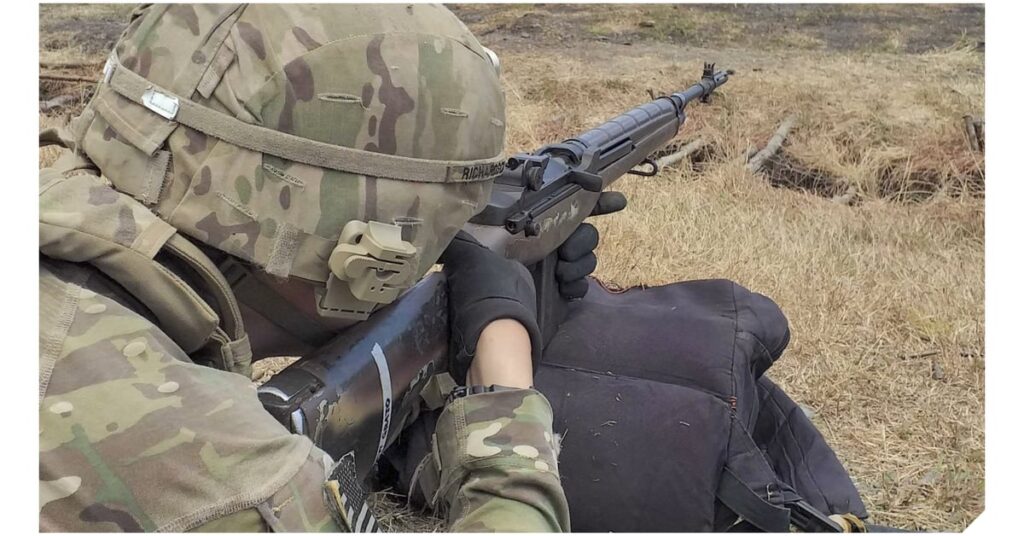
The Civilian Marksmanship Program’s decision to release a fresh batch of M14s is more than a restocking notice—it’s a rare second chance for civilian shooters to own a genuine piece of the rifle that bridged the gap between the M1 Garand and the M16. Built to fight in the jungles of Vietnam and the frozen hills of Korea, the M14 was the last American service rifle issued with a full-power cartridge and a wooden stock, and its brief tenure left a legacy of accuracy, power, and unmistakable steel-and-walnut gravitas. By releasing these rifles through the CMP’s rigorous inspection and grading process, the government is effectively handing collectors and competitors a turnkey way to add a battle-proven, semi-automatic .308 to their safes without navigating the minefield of private-market pricing or questionable provenance.
For the broader Second Amendment community, the announcement is both a reminder and a rallying point. It underscores that surplus arms are finite resources; once the current inventory is spoken for, the pipeline closes. At the same time, it demonstrates how responsible, government-sanctioned programs can keep historically significant firearms in circulation among law-abiding citizens—an implicit rebuttal to those who claim “military-grade” rifles have no place outside government armories. Every CMP M14 that finds a new home is another data point proving that private ownership and meticulous record-keeping can coexist with the preservation of our martial heritage.
Beyond nostalgia, these rifles carry practical implications. In an era when feature bans and magazine restrictions continue to surface in statehouses, the M14’s traditional configuration—twenty-round box magazine, wooden stock, gas-operated semi-auto—remains a benchmark for what an “assault weapon” actually looked like before the term was politicized. Shooters who acquire one will own not only a collector’s piece but also a living rebuttal to the notion that only modern polymers and rails define defensive utility. The CMP sale, then, is less about moving inventory and more about keeping a tangible link between past service, present rights, and the ongoing argument over who should be trusted with the tools of a free state.


