

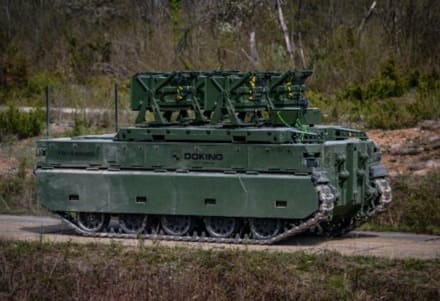
Rheinmetall’s move to lock up 51 percent of DOK-ING is more than a European defense consolidation story—it’s a signal that the same autonomous ground-vehicle tech now rolling out of Zagreb will soon shape the next generation of American civilian robotics. DOK-ING’s proven line of remote-controlled and autonomous platforms, originally built to clear mines and fight fires, translates almost directly into rugged UTVs, agricultural scouts, and back-country recovery rigs that private owners could one day command from a smartphone instead of climbing behind the wheel. For Second Amendment advocates who see armed self-defense as inseparable from technological independence, this acquisition underscores a widening lane: the same sensor suites, encrypted comms links, and AI-driven navigation that Rheinmetall will militarize can be adapted—under the right regulatory climate—to give law-abiding citizens standoff capability without ever needing a government permit to “operate a vehicle.”
What makes the timing interesting is Rheinmetall’s explicit plan to rebrand the Croatian firm “Rheinmetall Unmanned Vehicles d.o.o.” and fold it into a global supply chain already feeding NATO armies. That vertical integration means economies of scale that could eventually push prices down for civilian-grade autonomy kits, much the way military-derived thermal optics and laser aiming modules migrated to the commercial market. At the same time, the deal spotlights the risk that export controls and ITAR-like rules on both sides of the Atlantic might try to wall off the very technologies that enhance personal security. Pro-2A voices should watch how Rheinmetall balances its new subsidiary’s dual-use potential: if the company can sell mine-clearing drones to farmers in Texas the same week it delivers them to Bundeswehr battalions, it sets a precedent that autonomy is not the exclusive property of standing armies.
Ultimately, the acquisition is a reminder that the future of armed self-reliance will be written in code and servos as much as in steel and powder. By bringing DOK-ING’s know-how inside one of Europe’s largest defense primes, Rheinmetall is accelerating a trend that 2A supporters have long championed—democratizing tools that let individuals project presence and gather information at a distance. The question now is whether American regulators and innovators will keep pace, ensuring that law-abiding citizens retain access to the same class of unmanned systems that governments are racing to monopolize.


