

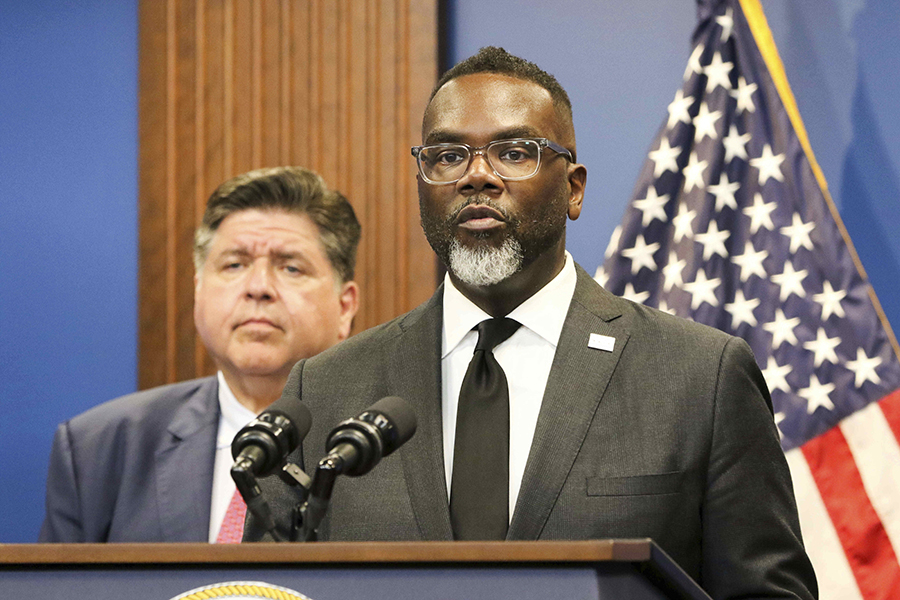
Chicago’s latest spasm of weekend bloodshed has once again produced the same tired municipal reflex: create another layer of salaried officials whose job description appears to be “study the problem until the next election cycle.” Rather than confront the city’s revolving-door prosecution policies or the cultural contempt for lawful self-defense that leaves law-abiding residents disarmed, City Hall is busy sketching org charts for a new “public-safety” office whose budget will dwarf the cost of simply letting citizens exercise their Second Amendment rights. The pattern is familiar—every time the body count rises, progressive governance doubles down on control rather than empowerment, ensuring that only criminals retain effective access to firearms while the tax base continues its flight to the suburbs.
For the 2A community the lesson is unmistakable: jurisdictions that treat gun ownership as the problem rather than a solution inevitably manufacture the very helplessness they claim to cure. When Chicago’s political class refuses to acknowledge that armed, trained citizens have repeatedly stopped active killers in other states, it reveals a deeper ideological commitment to monopoly of force rather than genuine public safety. The result is a widening gap between rhetoric and reality—more money spent on consultants, fewer rights left to the people who actually live under nightly crossfire.
The broader implication is national. Every new Chicago-style bureaucracy becomes a cautionary data point for voters elsewhere weighing permitting reform, constitutional carry, or shall-issue reciprocity. Lawmakers who watch these expensive failures can either import the same failed model or recognize that the right to keep and bear arms is not a threat to be regulated away but the most cost-effective deterrent a free society possesses.


