

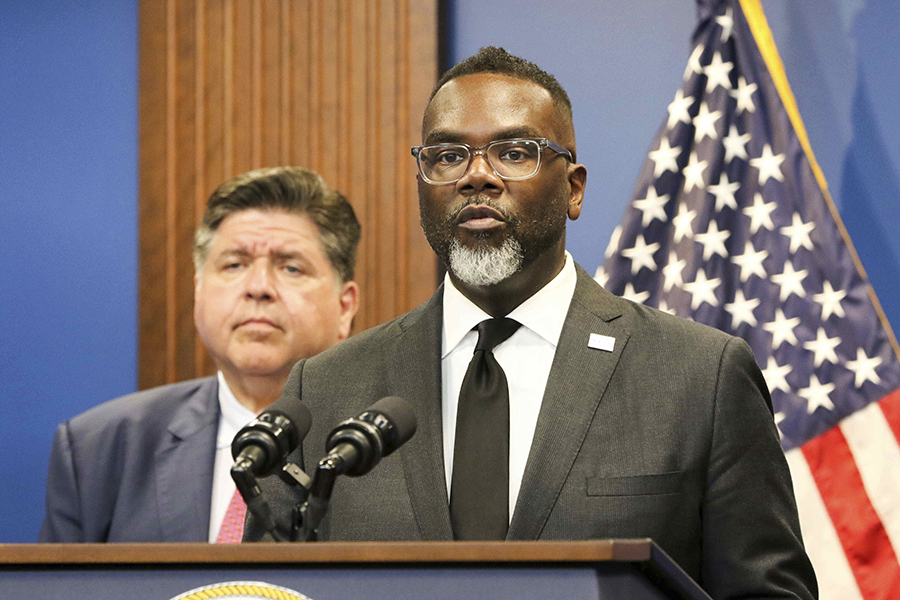
Chicago Mayor Brandon Johnson’s decision to block the Chicago Police Department from acquiring new rifles is a textbook case of ideology trumping operational reality. While the mayor frames the move as a “public safety” measure, the practical effect is to deny officers the modern, reliable platforms that every other major agency in the country now treats as standard issue. In a city where carjackings and targeted attacks on police have become routine, the refusal to let cops carry patrol rifles isn’t a policy—it’s a calculated political statement that treats the Second Amendment as a bargaining chip rather than a constitutional right that applies to everyone, including those sworn to uphold it.
The deeper problem is the precedent this sets for the rest of the country. When a mayor can unilaterally disarm his own officers under the banner of “gun control,” the same logic can be—and has been—turned against law-abiding citizens who simply want the same defensive tools. Johnson’s stance also ignores the data: departments that field patrol rifles report faster resolution of active-shooter incidents and fewer rounds expended because the rifles’ accuracy and controllability allow officers to stop threats at greater distances. By prioritizing optics over outcomes, Chicago is effectively telling both its officers and its residents that political signaling matters more than stopping the next mass-casualty event before it escalates.
For the 2A community, the takeaway is clear: every restriction justified as “only for police” eventually migrates to the civilian market. Johnson’s rifle ban is the latest reminder that the right to keep and bear arms is only as secure as the political will to defend it at every level of government. If mayors can strip that right from the very people tasked with protecting the public, the same officials will have little compunction about extending the same logic to everyone else.


