

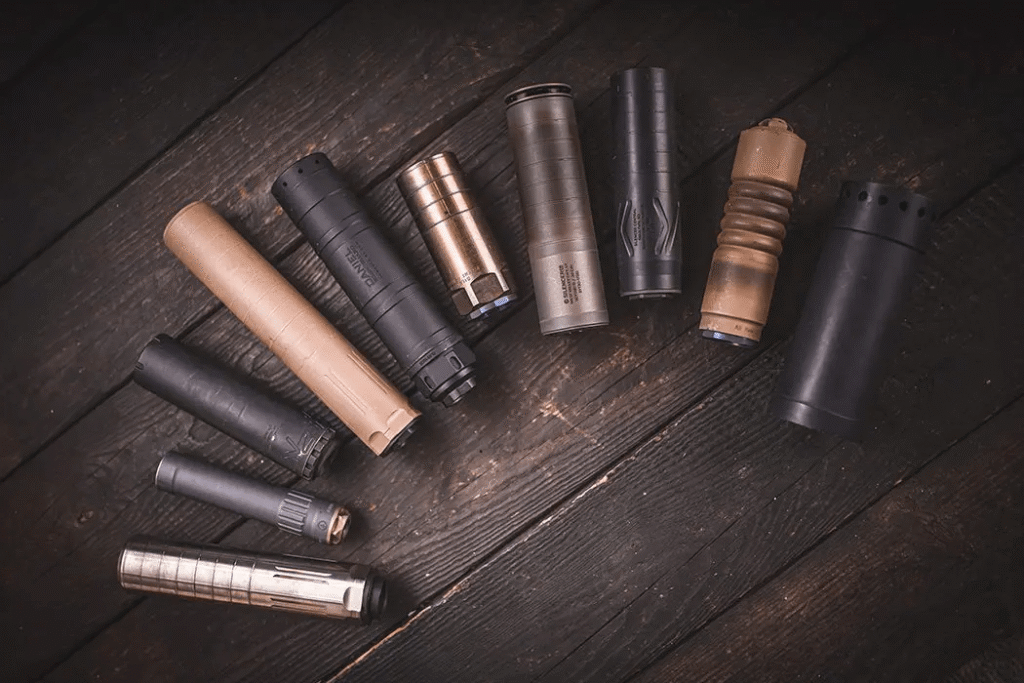
The real gap between a $150 suppressor and a $1,150 model isn’t just marketing fluff—it’s the difference between a product that barely meets minimum legal standards and one engineered for decades of hard use. Budget cans often rely on basic direct-thread mounts, thinner materials, and minimal internal baffling that can erode quickly under sustained fire, while premium suppressors incorporate advanced alloys, precision-machined monolithic cores, and quick-detach systems that maintain zero and resist carbon lock. That extra thousand dollars buys repeatability on the range, lighter weight for field carry, and the peace of mind that comes from knowing the device won’t fail when you need it most.
For the 2A community, this price spread is a reminder that rights exercised are rights preserved. Every suppressor purchase funnels tax revenue back into the ATF’s oversight apparatus, yet the same community that funds the NFA bureaucracy is also the one most motivated to push for deregulation. When shooters choose higher-end options, they’re voting with their wallets for domestic manufacturing jobs, incremental R&D that trickles down to more affordable designs, and a visible demonstration that responsible ownership looks nothing like the “criminal tool” narrative pushed by anti-gun activists. Conversely, the existence of rock-bottom imports—legal only because they clear the same paperwork—highlights how arbitrary the current $200 tax stamp truly is; if a $150 can is safe enough to own after a background check and waiting period, the stamp itself is exposed as a barrier, not a safeguard.
Ultimately, the suppressor market is a microcosm of the larger fight: quality costs, but quality also builds the case that gun owners are serious, prepared, and unwilling to accept second-class treatment under the law. Whether you buy once and cry once or start with an entry-level model and upgrade later, every stamp in the safe is another data point proving that regulated citizens will navigate the system, innovate within it, and keep pressing for a future where sound moderation doesn’t require federal permission at all.


