

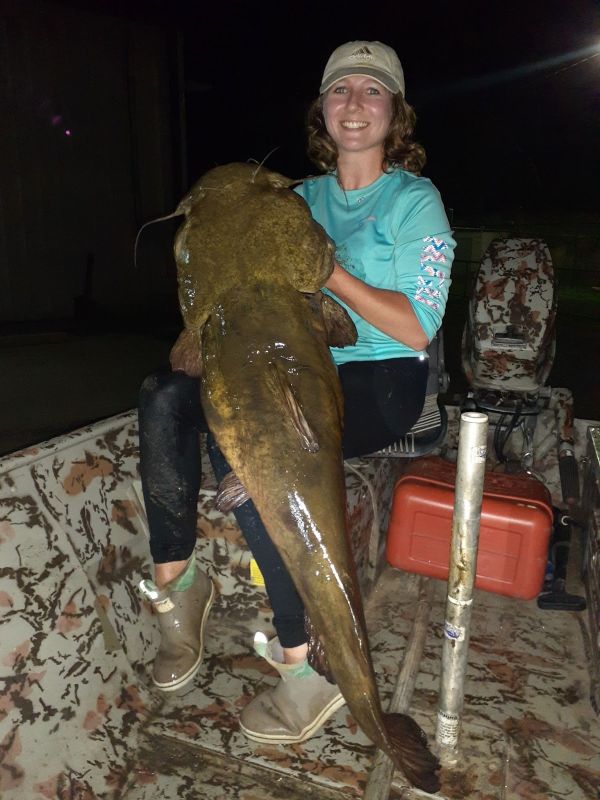
Arkansas anglers have discovered that the best way to beat the summer heat isn’t to fish harder—it’s to fish smarter, letting the catfish come to them while they stay cool on the bank. By deploying passive gear like trotlines, limblines, and juglines after dark, they turn the hottest months into an opportunity rather than an obstacle. Channel cats eagerly hit prepared baits, while the trophy flatheads demand live offerings such as green sunfish, proving that success hinges on matching the right tool to the right predator. The real advantage, though, is regulatory: state rules require clear identification and timely checks, ensuring these methods remain both effective and lawful.
For the 2A community, this story is a quiet reminder that the same principles governing responsible firearm ownership—safe handling, clear marking, and adherence to the rules—apply across every outdoor pursuit that involves tools with potential for misuse. Just as a properly stored firearm and a well-marked trotline both demonstrate accountability, the angler who respects line-check intervals and the shooter who follows safe-storage laws are exercising the same civic discipline that keeps rights intact. When regulators see consistent, law-abiding behavior in one arena, they’re less inclined to impose new restrictions in another; conversely, reckless disregard anywhere invites scrutiny everywhere.
Ultimately, the night-fishing angler who sets a legal line and returns at dawn is practicing the same self-reliance the Second Amendment protects: the freedom to provide for oneself without constant government oversight. By treating every outdoor activity as an extension of that liberty—whether it’s a rifle at the range or a jugline on the river—the firearms community reinforces the broader culture of responsible independence that makes all these pursuits possible.


