

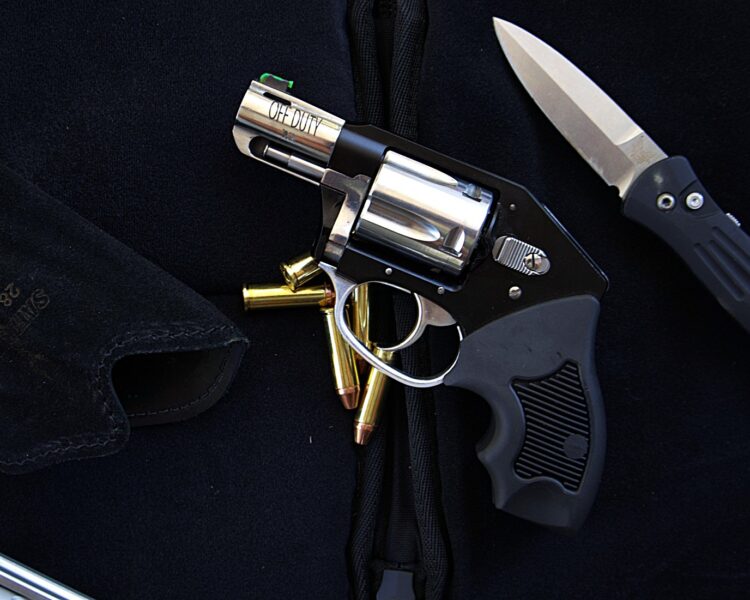
The Charter Arms Undercover has long occupied that curious middle ground between a true “last-ditch” backup and an everyday-carry revolver that some shooters actually enjoy running on the range. At roughly the price of a decent holster and a box of defensive ammo, the little five-shot .38 Special delivers the mechanical simplicity and snag-free profile that made snubbies the default choice for plain-clothes cops decades ago. What sets the Undercover apart from its polymer-framed contemporaries is the deliberate choice to retain an all-steel frame and hammer shroud; that extra heft tames recoil enough for follow-up shots to stay on a torso-sized target at three yards, yet the package still disappears inside a pocket or ankle rig. For the 2A community the takeaway is straightforward: when regulatory pressure keeps pushing manufacturers toward ever-lighter, higher-capacity pistols, an inexpensive, domestically produced revolver remains one of the few options that sidesteps magazine bans, “assault weapon” features, and the eternal wait for micro-stamping mandates.
Beyond the gun itself, Charter’s continued existence underscores how resilient cottage-industry manufacturing can be even when the big polymer houses dominate shelf space. Every Undercover that leaves the Connecticut factory represents a small but tangible assertion that Americans still have access to a tool designed solely for self-defense rather than the layered compliance features demanded by some coastal legislatures. That matters in states flirting with “sensitive places” restrictions or waiting-period expansions; a revolver bought today can’t be retroactively neutered by a magazine-capacity law tomorrow. For new shooters priced out of tricked-out 9 mm compacts, the Undercover also functions as an on-ramp: five deliberate pulls of the trigger teach trigger control and sight management without the distraction of optics or striker-fired safeties. In short, the gun’s modest price tag buys more than a backup—it buys continued participation in the right to keep and bear arms at a time when that right keeps getting priced in both dollars and regulatory friction.


