

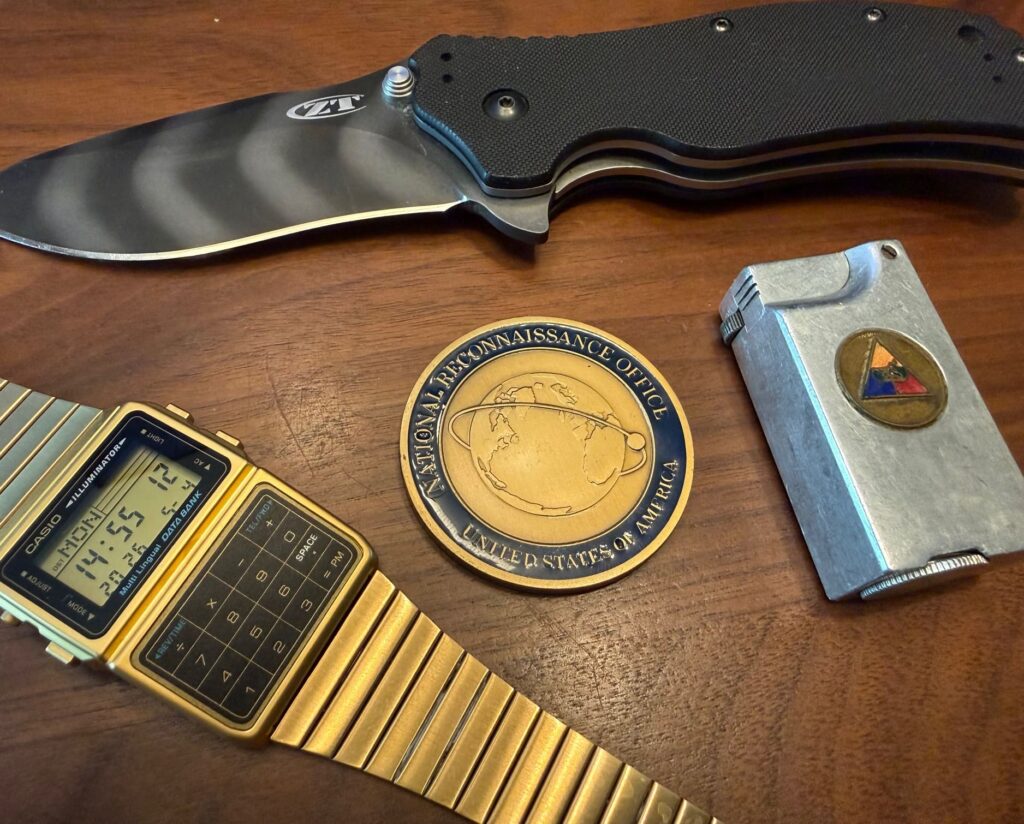
Challenge coins have long served as tangible symbols of shared identity and accomplishment, but their reach has quietly expanded far beyond the parade grounds and forward operating bases. Originally minted to prove membership in elite units or to settle bar bets among service members, these pocket-sized medallions now mark everything from law-enforcement graduations to corporate safety milestones. What makes them powerful is not the metal they’re struck from, but the story they carry: a compact, physical reminder that the bearer belongs to something larger than themselves—an ethos that resonates deeply with civilians who value personal responsibility and voluntary association.
For the 2A community, the coin’s migration into civilian hands is more than a novelty; it’s a quiet affirmation of parallel traditions. Shooting clubs, firearms instructors, and grassroots advocacy groups have adopted the custom to recognize everything from a shooter’s first clean 1,000-yard group to years of diligent range-safety instruction. In an era when digital “likes” evaporate overnight, a coin passed hand-to-hand at the gun-club picnic carries lasting weight. It says, without fanfare, that marksmanship, preparedness, and civic virtue are currencies still honored face-to-face.
The broader implication is cultural rather than commercial. As institutions grow more abstract and identities more virtual, the challenge coin insists on the tangible and the earned. Whether it depicts crossed rifles or a coiled Gadsden snake, it performs the same function it always has: it collapses distance between strangers who instantly understand what the emblem means. In that sense, the coin is less about the military’s past than about the 2A community’s future—a pocketable constitution of shared standards, carried close, ready to be shown at a moment’s notice.


