

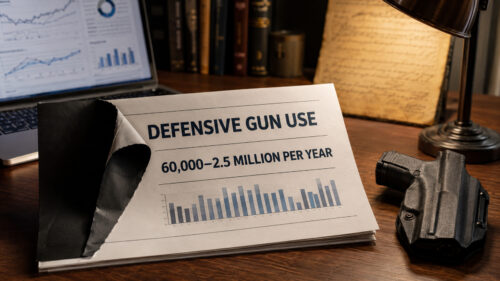
The CDC’s quiet restoration of its defensive-gun-use estimates is more than a bureaucratic correction—it’s a window into how data can be weaponized in the culture war over the Second Amendment. For years the agency’s own surveys had shown roughly 500,000 to 3 million defensive gun uses annually, numbers that dwarfed criminal misuse and underscored the everyday utility of armed self-defense. When those figures vanished from CDC web pages in 2022, the move looked less like housekeeping and more like an effort to starve the policy debate of inconvenient facts. The newly released emails confirm that gun-control groups lobbied the agency to scrub the data, revealing a coordinated attempt to shape public perception by omission rather than persuasion.
For the 2A community, the episode is a cautionary tale about institutional capture and the importance of primary-source vigilance. When government statistical agencies become arenas for ideological score-settling, citizens must treat every dataset as provisional and subject to political pressure. The restored numbers reinforce what defensive-gun-use researchers have long argued: lawfully armed citizens interrupt far more crimes than they commit, a reality that undercuts the “public-health crisis” framing favored by restriction advocates. Going forward, pro-Second-Amendment voices should insist on statutory firewalls that keep raw survey data insulated from advocacy pressure, ensuring that future administrations cannot memory-hole evidence simply because it fails a narrative test.


