

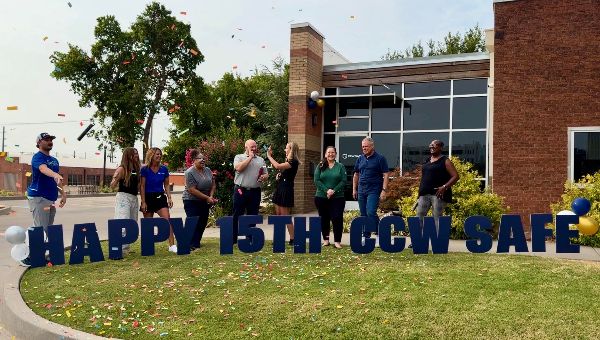
CCW Safe’s fifteenth anniversary isn’t just a milestone—it’s a barometer of how dramatically the self-defense insurance market has matured since the first shall-issue carry laws began sweeping the country. What started as a niche product offered by three Oklahomans who understood both the street realities of defensive gun uses and the courtroom aftermath has become a de-facto standard of post-incident preparedness. By swallowing up the Armed Citizens’ Legal Defense Network and rolling out a Certified Partner Program that now blankets forty-seven states, the company is effectively stitching together a nationwide safety net at the very moment more citizens than ever are carrying daily. The timing matters: as states like California flirt with ever-tightening restrictions, the presence of an established partner like the CRPA inside CCW Safe’s orbit signals that even in unfriendly jurisdictions, armed citizens can still find institutional support that extends beyond a bumper-sticker slogan.
The deeper implication is cultural as much as legal. Fifteen years ago, many gun owners treated a self-defense shooting as something that “the Second Amendment will sort out,” underestimating how quickly district attorneys, activist media, and civil litigants could turn a justified use of force into career-ending, family-bankrupting jeopardy. CCW Safe’s growth tracks the community’s collective education on that point. Its expansion also underscores a shift in product expectations: policyholders no longer want a reimbursement check after the fact; they want immediate attorney dispatch, expert witness funding, and—crucially—public backing that frames their story before the narrative vacuum is filled by hostile press. In that sense, CCW Safe’s evolution mirrors the broader professionalization of the gun culture itself, from improvised range days to documented training, from lone-wolf mindsets to institutional infrastructure that can withstand legal and media siege.
For the 2A community, the takeaway is twofold. First, the right to keep and bear arms is only as robust as the legal scaffolding that protects its exercise; without organizations willing to fund that scaffolding, shall-issue victories can be clawed back through lawfare. Second, consolidation inside the self-defense protection space suggests the market has priced in continued growth in permit numbers and, by extension, in defensive gun uses. That’s an optimistic signal, but it carries a responsibility: carriers who invest in the hardware of personal defense must also invest in the legal armor that keeps them free afterward. CCW Safe’s fifteen-year report card shows the industry can deliver that armor at scale; the next fifteen years will test whether the community continues to wear it.


