

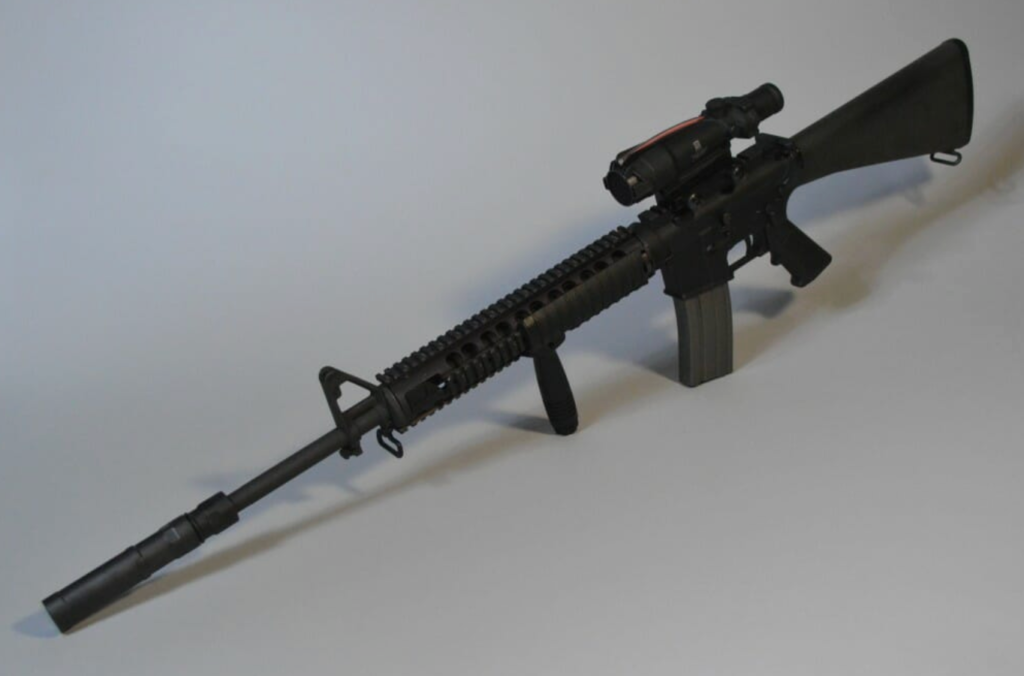
Most rimfire suppressors are built around the gentle push of a .22LR round—roughly 20,000–25,000 psi and a modest gas volume—so when someone threads one onto a 5.56 rifle they’re essentially asking a soda can to contain a stick of dynamite. The first few rounds may cycle without drama, but the rapid spike to 55,000-plus psi, searing heat, and sustained gas flow quickly erode baffles, bulge end caps, or turn the whole can into shrapnel. What looks like a clever money-saving hack is usually just an expensive lesson in metallurgy and pressure curves, and the handful of dramatic YouTube failures serve as expensive tombstones for the myth that “it’ll probably be fine.”
For the 2A community the takeaway is straightforward: rights come with responsibilities, and treating suppressors like interchangeable Lego bricks invites both catastrophic failure and the regulatory headaches that follow every negligent discharge of a firearm accessory. Manufacturers already walk a tightrope between innovation and ATF scrutiny; one well-publicized Ka-Boom from an undersized can gives anti-gunners fresh footage to brand all suppressors as “inherently dangerous,” regardless of the millions of safe, purpose-built 5.56 units already in circulation. Choosing the right tool for the job isn’t just good engineering—it’s good politics, because every avoidable accident becomes Exhibit A in the next magazine ban or suppressor tax stamp fight.
Ultimately, the episode underscores why serious shooters budget for caliber-specific suppression rather than gambling with parts-bin science projects. A proper 5.56-rated suppressor costs more up front, but it preserves both the host firearm and the hard-won legal status of the entire NFA category. In an era when every range video can go viral, the community’s credibility rests on disciplined, informed use of the gear we fought so hard to own.


