

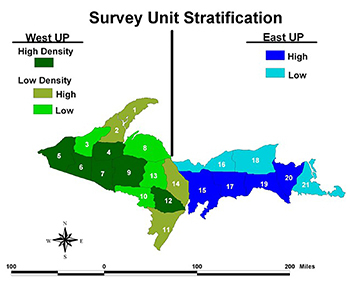
In the frozen backcountry of Michigan’s Upper Peninsula, a DNR technician on a snowmobile is doing more than counting wolves—he’s mapping the precise locations where the state’s apex predator still roams. That data set, gathered through painstaking track surveys, becomes the scientific backbone for every future management decision, from harvest quotas to habitat protection. For Second Amendment advocates, the lesson is immediate: when government biologists can document population trends with hard evidence, they remove the excuse that “we just don’t know enough” to allow hunting or trapping. Transparent, boots-on-the-ground science is therefore the ally of any sportsman who wants sustainable use rather than perpetual protection.
Yet the same survey also underscores a quiet warning. Michigan’s wolf population is being tallied at a moment when snowfall—and therefore track visibility—is at a historic low. If mild winters become the norm, future counts could under-sample remote pockets, giving anti-hunting groups ammunition to claim the species is “data deficient” and therefore off-limits. The 2A community’s response should be twofold: first, insist that survey protocols adapt (aerial FLIR, trail cameras, hunter-sourced photographs) so the numbers stay credible; second, use every credible data release as an opportunity to remind regulators that the Pittman-Robertson-funded hunter is still the most reliable, self-taxing wildlife manager on the continent. When the next wolf-season proposal lands on a desk in Lansing, the presence of verifiable population metrics—and a vocal constituency ready to defend them—will determine whether that season opens or stays locked behind litigation and politics.


