

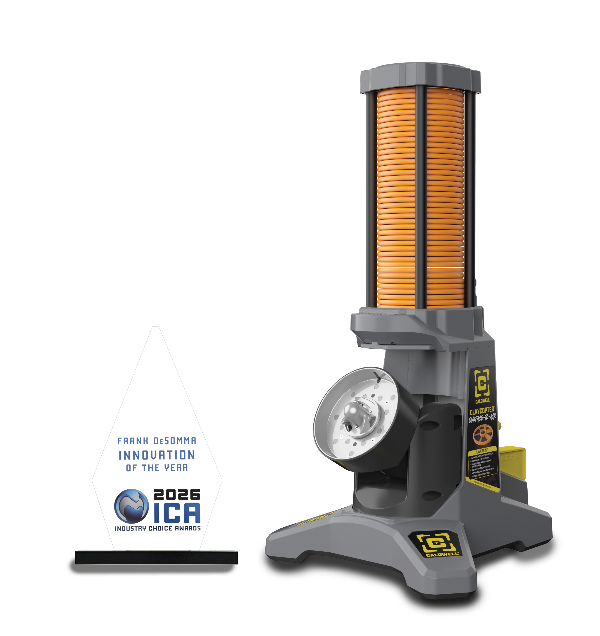
Caldwell’s ClayCopter isn’t just another gadget—it’s a clever re-imagining of how shooters can train without ever leaving the backyard. By turning a portable launcher into a programmable, app-controlled “drone” that flings clays on demand, the company has taken the unpredictability of sporting clays and put it in the hands of anyone with a patch of grass and a smartphone. That matters for the 2A community because it lowers the barrier to meaningful practice: no membership fees, no range hours, no weather excuses—just repeatable, skill-building reps that keep marksmanship sharp when public ranges feel crowded or restricted.
The award itself signals something bigger than a single product win. Frank Desomma’s namesake prize tends to spotlight gear that expands access or capability, and giving it to a surface-to-air training tool two years running tells the industry that consumer-driven innovation is shifting from “bigger and faster” to “smarter and more inclusive.” For Second Amendment advocates, that shift is strategic. Tools like the ClayCopter quietly reinforce the argument that lawful gun owners are investing in proficiency, not merely collecting hardware, which undercuts the “unsafe and untrained” narrative that often fuels restrictive legislation.
Longer term, expect this kind of tech to ripple outward: imagine networked systems that let clubs run virtual competitions across state lines, or data logs that demonstrate responsible use to insurers and legislators. In an era when range access can be politicized, having a compact, app-driven training ecosystem at home isn’t just convenient—it’s quietly subversive, proof that American gun culture keeps adapting faster than attempts to contain it.


