

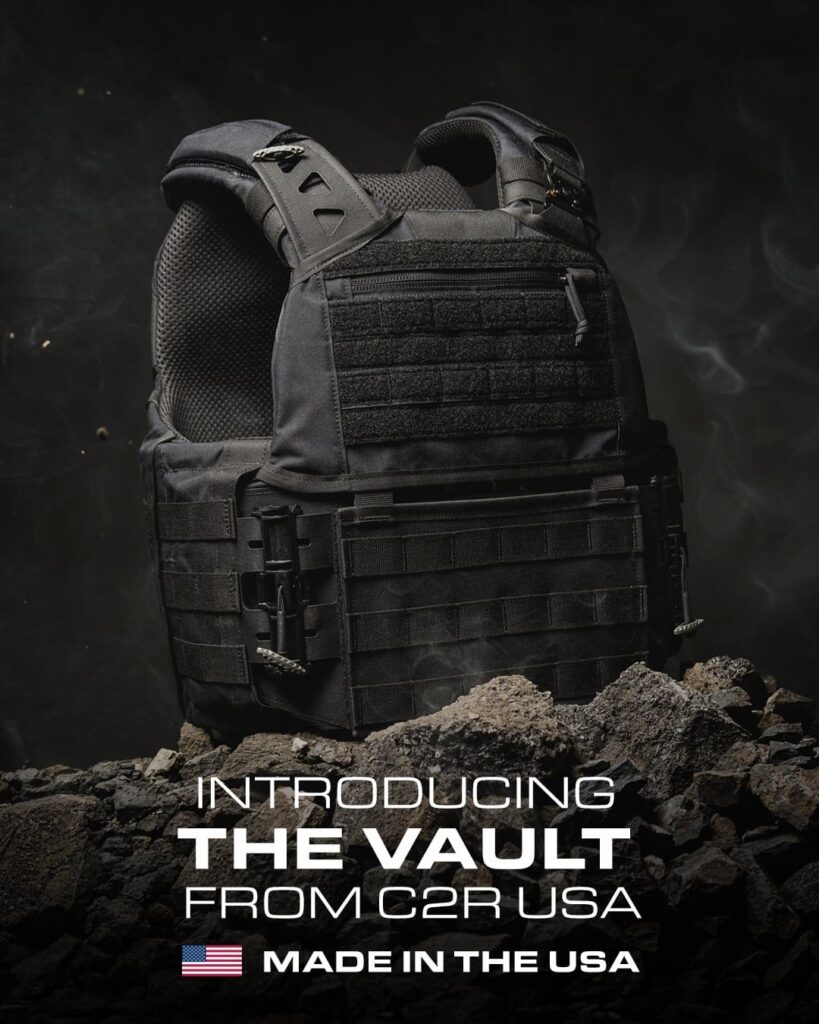
C2R USA LLC’s selection as the supplier of Overt Armor Kits for the FBI, USMS, and DEA isn’t just another federal contract—it’s a quiet but telling signal that the same companies building gear for America’s most elite law-enforcement agencies are also shaping the civilian market. The five-year, $61 million IDIQ award, executed with Predictive Ballistics and Safariland, means the exact plate-carrier architecture, cummerbund geometry, and modular attachment points that federal agents will rely on in high-threat environments will trickle down through commercial channels faster than ever before. For the 2A community this matters because it compresses the usual lag between “what the pros use” and “what civilians can actually buy,” giving responsibly armed citizens access to overt armor systems that have already passed the same NIJ and federal durability thresholds required for duty use.
Beyond the hardware, the contract underscores a broader shift: overt armor is no longer viewed as exclusively a SWAT or military accessory. As more states expand constitutional carry and more citizens train for active-shooter response, the demand for low-profile yet scalable protection has moved from niche to mainstream. C2R’s win validates that civilian manufacturers can meet the rigorous testing and sustainment requirements of three-letter agencies without sacrificing the modularity and comfort that private citizens need for everyday preparedness. In practical terms, expect to see the same cummerbund quick-release systems, low-IR materials, and scalable plate footprints that the FBI just standardized appearing on dealer shelves within months—often at price points that make sense for a prepared family rather than a departmental budget.
The larger implication is cultural as much as tactical. When federal agencies standardize on a platform that is also sold commercially, it blurs the outdated narrative that “only cops need armor.” Instead, it reinforces the founding-era idea that an armed and equipped citizenry remains a legitimate layer of national resilience. The 2A community should watch not just the product releases, but the after-action data that will inevitably flow from this contract; real-world performance metrics from FBI and DEA operators will become the new benchmark civilians use to evaluate their own kits. In short, this isn’t merely a procurement win for C2R—it’s another data point showing that the gear gap between professionals and prepared citizens continues to narrow, and that’s good news for anyone who takes personal and community security seriously.


