

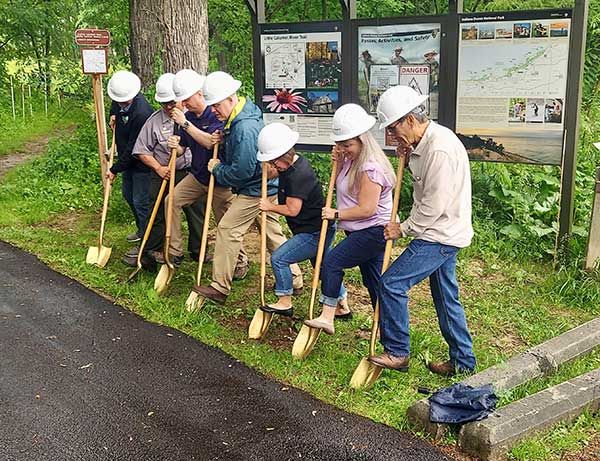
The Marquette Greenway expansion in Burns Harbor and Porter isn’t just another trail ribbon-cutting—it’s a textbook example of how state and local governments are quietly reshaping the public landscape in ways that directly touch the Second Amendment community. With $7 million-plus in taxpayer-funded grants flowing to these segments, the project underscores a growing trend: governments investing heavily in “green infrastructure” while simultaneously tightening the screws on where and how Hoosiers can lawfully carry firearms. Trails like these often fall into a gray area of posted restrictions, local ordinances, and enforcement discretion that can turn a peaceful walk into an unintended legal trap for permit holders who simply want to exercise their rights while enjoying the outdoors.
What makes this development particularly noteworthy for 2A advocates is the contrast between the rhetoric of “outdoor recreation for all” and the practical reality on the ground. Governor Braun’s administration has positioned itself as pro-recreation, yet Indiana’s patchwork of municipal rules and occasional signage on state-funded trails can still create no-carry zones that law-abiding citizens must navigate. The 1.86 miles being added here may seem modest, but they connect to a larger network that will eventually stretch across Northwest Indiana—meaning more public space where armed citizens need to stay vigilant about local postings and evolving regulations rather than assuming “greenway” automatically equals “shall-issue friendly.”
For the firearms community, the takeaway is straightforward: every new mile of taxpayer-built trail is another reminder that rights must be actively defended, not passively assumed. While these projects are sold as quality-of-life improvements, they also expand the footprint where Second Amendment exercise can be chilled by signage, local politics, or future rule changes. The 2A community should treat this as both an opportunity—more citizens outdoors means more potential allies—and a warning to monitor how these corridors are ultimately regulated, because today’s scenic path can become tomorrow’s restricted zone faster than most people realize.


