

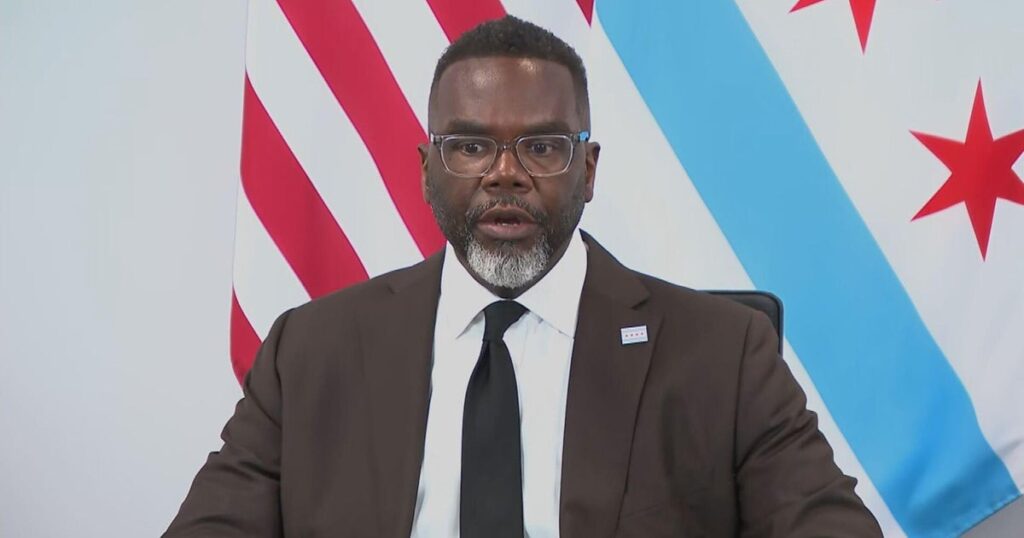
Mayor Brandon Johnson’s latest pitch for a Chicago Department of Gun Violence Prevention lands like another layer of red tape on the very citizens already buried under the city’s existing gun-control regime. While the mayor frames the new bureaucracy as a “public-health” solution, the fine print reveals the familiar pattern: more taxpayer-funded offices, more data collection on lawful owners, and zero new tools aimed at the repeat offenders driving Chicago’s homicide tally. In a city where roughly 80 percent of gun violence traces to a tiny cohort of previously arrested individuals, the proposal reads less like prevention and more like mission creep that will inevitably circle back to the compliant shooter who already jumps through every hoop.
For the 2A community the message is unmistakable—officials continue to treat the symptom of criminal violence by tightening the vise on the symptom’s opposite: the law-abiding gun owner. Every new layer of “violence prevention” staffing comes with implicit pressure to justify budgets through metrics, and those metrics almost always end up measuring lawful purchases, FOID compliance, or the number of guns turned in by retirees rather than the number of armed felons taken off the street. The result is a slow-motion tax on the right to keep and bear arms, paid in time, fees, and the steady normalization of treating gun ownership itself as a social problem to be managed rather than a constitutional right to be protected.
The deeper implication is that Chicago’s leadership has little appetite for the politically difficult work of prosecuting armed career criminals or reforming a revolving-door justice system. Instead, the city doubles down on symbolic infrastructure that shifts blame onto the broader gun-owning public. Until the focus moves from lawful burdens to actual deterrence, residents can expect more ribbon-cuttings for new departments and fewer indictments for the shooters who already ignore every existing law.


