

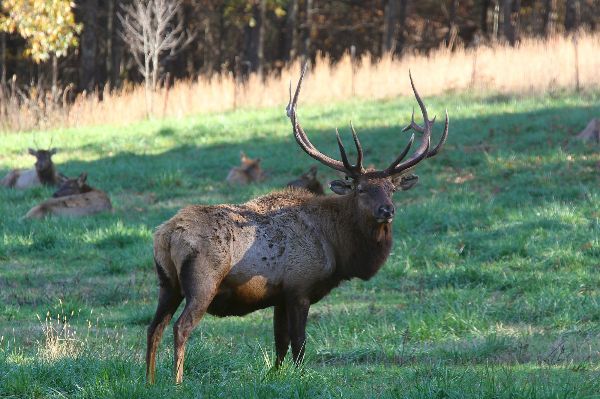
The Buffalo River Elk Festival’s on-site drawing for three public-land tags isn’t just another wildlife-management lottery; it’s a vivid reminder that the Second Amendment’s promise of the people’s arms is only as strong as the public’s continued access to the game those arms were historically meant to pursue. By staging the drawing on the festival’s center stage—winners required to be present—the Arkansas Game and Fish Commission turns an otherwise bureaucratic allocation into a public celebration of hunting heritage, reinforcing the cultural case that firearms are tools of conservation, not merely self-defense. In an era when anti-hunting litigation and land-access restrictions nibble at the edges of opportunity, events like this keep the narrative alive that regulated harvest, funded by Pittman-Robertson dollars from firearm and ammunition sales, remains the most successful wildlife-recovery model on the planet.
For the 2A community the stakes are larger than three tags. Every hunter who draws an elk permit and steps into the field with a legal sporting rifle or muzzleloader becomes a walking exhibit of responsible firearm use, countering the urban-media caricature that paints gun owners as urban threats rather than rural stewards. The requirement that winners claim their permits in person also weeds out the casual entrant, ensuring the tags go to participants who will actually exercise both their hunting privilege and their constitutional right, generating the license revenue, mentorship, and habitat dollars that keep elk herds—and the right to hunt them—viable for the next generation. In short, the Jasper drawing is a microcosm of the larger truth: when public land, regulated seasons, and an armed citizenry intersect, conservation wins and the Second Amendment stays relevant far beyond the courtroom.


