

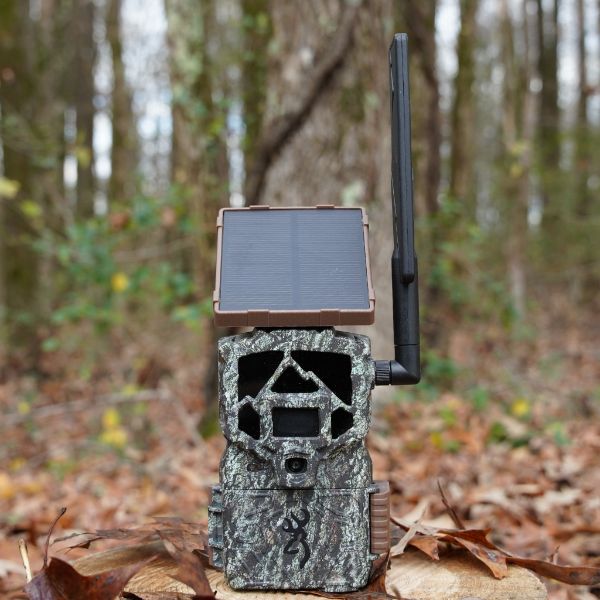
Browning’s new Defender Pro Scout Max HD Solar isn’t just another trail cam—it’s a statement that serious hunters and property stewards now expect multi-month deployments without ever swapping batteries or driving back to the timber just to check signal strength. By baking a high-efficiency solar panel into an already cellular-capable chassis and pre-loading both AT&T and Verizon SIMs, Browning has removed the two biggest logistical headaches that used to force weekend warriors to choose between image quality and convenience. The payoff is obvious: landowners can keep a continuous, high-resolution eye on food plots, bedding areas, and access routes without leaving digital breadcrumbs that might tip off would-be trespassers or poachers.
For the 2A community the implications run deeper than scouting whitetails. In an era when some states are tightening “must notify” rules for game cameras and others are openly discussing restrictions on remote surveillance, a solar-powered, self-sufficient camera becomes both a practical tool and a quiet act of push-back. It lets lawful property owners document illegal entry, recover stolen stands, or simply prove consistent use of their land—evidence that can matter when anti-hunting activists or overzealous regulators try to paint hunters as absentee or uncaring. At the same time, the always-on connectivity raises fresh conversations about data ownership and carrier cooperation with law enforcement, conversations the firearms community has been having for years around pistol braces and braced rifles.
Bottom line, Browning has turned a once-fragile piece of electronics into something that feels as rugged and self-reliant as the bolt-actions and lever guns we trust in the woods. That alignment of technology and independence is exactly why gear like the Defender Pro Scout Max HD Solar resonates far beyond opening day: it reinforces the idea that being prepared—whether for the rut or for the next regulatory skirmish—starts with tools that don’t need babysitting.


