

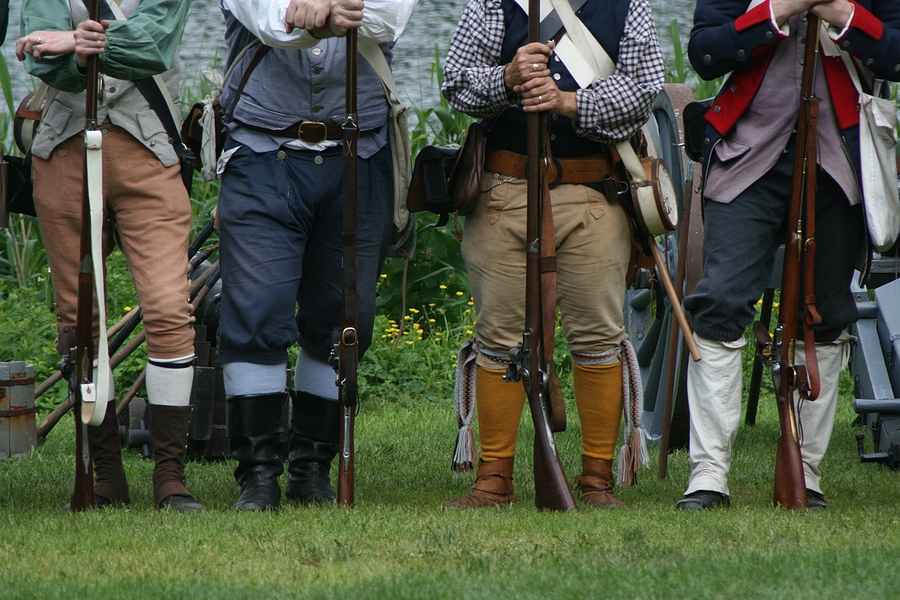
Imagine the scene: a dusty reenactment field in colonial America, where a grizzled minuteman shoulders a .75-calibre Brown Bess flintlock musket. With a spark from flint on steel, it hurls a lead ball at 1,000 feet per second—enough raw power to drop a redcoat at 100 yards or pierce a deer clean through. This isn’t some relic from a museum; it’s a firearm that powered the American Revolution, the very tool that helped birth a nation founded on the principle that the people, not the crown, hold the ultimate check on tyranny. Fast-forward to today, and across the pond in Britain, this same antique weapon sparks outrage simply because ordinary Americans can still own one without begging the government for permission. The source text lays it bare: Brits are aghast that in the land of the free, a muzzleloader from 1776 remains legal for civilians, no background checks or waiting periods required.
This isn’t just historical trivia—it’s a stark reminder of diverging paths in liberty. Post-Dunblane in 1996, the UK doubled down on its handgun ban and escalating restrictions, leaving even Olympic shooters to train abroad while their flintlocks gather dust under Home Office scrutiny. Meanwhile, the U.S. Supreme Court’s Heller (2008) and Bruen (2022) decisions affirm that the Second Amendment protects arms in common use, and flintlocks like the Brown Bess unequivocally qualify. They’re not curiosities; states like Pennsylvania and Kentucky still allow them for hunting without modern firearm licenses, embodying the Founders’ intent for a citizenry armed with the same tech as standing armies of their era. The outrage from Britain? It’s less about the ball’s velocity and more about envy for a right they surrendered generations ago—after all, their ancestors used these same guns to oppress until we turned the tables.
For the 2A community, this is red meat: a perfect teachable moment to dismantle the assault weapon hysteria. If a 300-year-old black powder cannon-killer is no threat warranting confiscation, why clutch pearls over an AR-15 semi-auto? It underscores the slippery slope—Britain started with muskets, ended with bolt-actions banned. Americans, take note: cherish your flintlocks, stock your powder horns, and vote like your birthright depends on it. Because history proves it does.


