

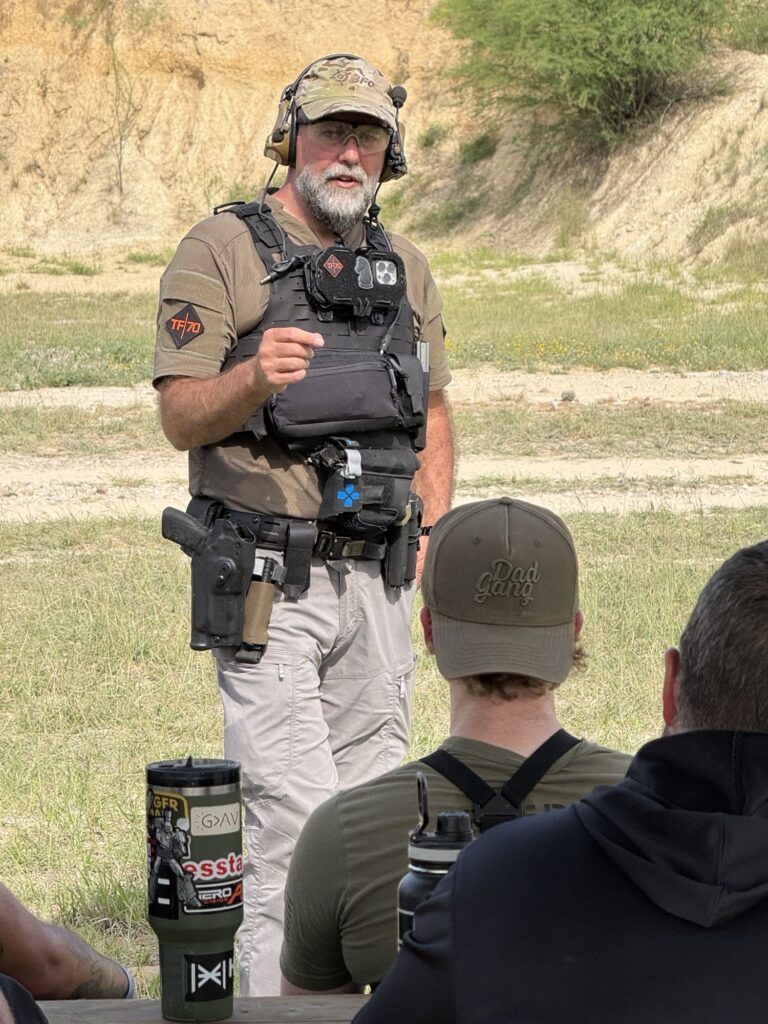
Ask most cops what makes a good loadout and they will start naming gear. A better belt. A lighter pouch. Whatever sling everybody is running this year. Good equipment matters, but a collection of good equipment does not automatically create a good system. That distinction is the heart of John Chapman’s latest piece, and it lands like a cold bucket of water on the endless gear-porn scroll that dominates so much of the tactical internet. Chapman’s point is simple: if the pieces on your belt were never designed to work together, they are not a system—they are just expensive clutter that happens to share the same real estate. For the 2A community, this is more than semantics. It is a reminder that the right to keep and bear arms is only as useful as the shooter’s ability to employ them under stress, and that ability is built on repeatable processes, not on the latest limited-edition holster.
The deeper implication is that the Second Amendment is not defended by gear alone; it is defended by competence. When a citizen can draw, reload, and clear malfunctions without thinking about where each item lives on the belt, that citizen is exercising the right in a way that actually matters. Chapman’s critique of “gear that fits” versus “gear that works” should push every serious gun owner to audit their own setups with brutal honesty. Does the spare magazine pouch sit where the support hand can find it in the dark? Does the tourniquet pouch require two hands and a prayer? If the answer is no, the loadout is not a system—it is a collection of good intentions that may fail when seconds count. That failure does not just affect the individual; it feeds the narrative that armed citizens are a liability rather than an asset.
For the broader pro-2A movement, the lesson is strategic as well as tactical. Lawmakers and anti-gun activists love to point at poorly trained carriers as justification for more restrictions. Every time a citizen shows up to a range or a training class with a belt full of mismatched gear and no plan for using it, the argument for “common-sense” limits gains another data point. Chapman’s piece is therefore not an attack on equipment manufacturers; it is a call for the community to treat training and integration as non-negotiable parts of responsible ownership. The right to bear arms is protected by the people who can actually use them effectively, not by the people who own the most accessories.


