

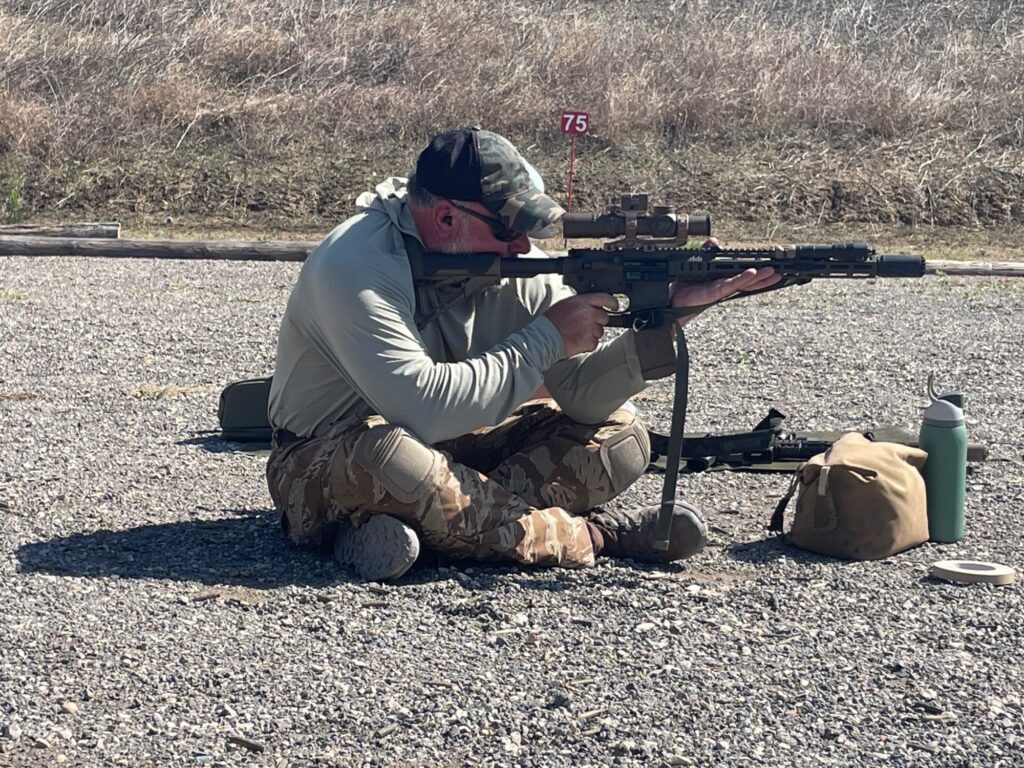
Blue Force Gear’s decision to re-introduce a tail on the Vickers sling is less a reversal than a refinement born from listening to the very shooters who made the original VCAS a standard. The tailless design solved the “flapping webbing” problem that plagued earlier two-points, but it also removed the one-handed length adjustment that some users—particularly those running shorter barrels or working in vehicles—still wanted. By adding a short, cinch-lock tail that can be stowed rather than left dangling, BFG preserves the clean profile that made the VCAS famous while restoring a micro-adjustment shooters can perform without taking their support hand off the handguard. It’s a classic case of an industry leader refusing to treat its own success as the final word.
For the broader 2A community the move is instructive. It shows that genuine product evolution comes from range feedback loops, not from marketing departments guessing what “the next big thing” should be. When a company as closely tied to practical end-users as Blue Force Gear tweaks a flagship product, it signals that even mature categories like rifle slings still have room for user-driven improvement. That same principle—iterating until the gear disappears from the shooter’s mind and only the mission remains—keeps civilian, law-enforcement, and military end-users returning to American-made brands that treat their input as engineering data rather than after-action noise.


