

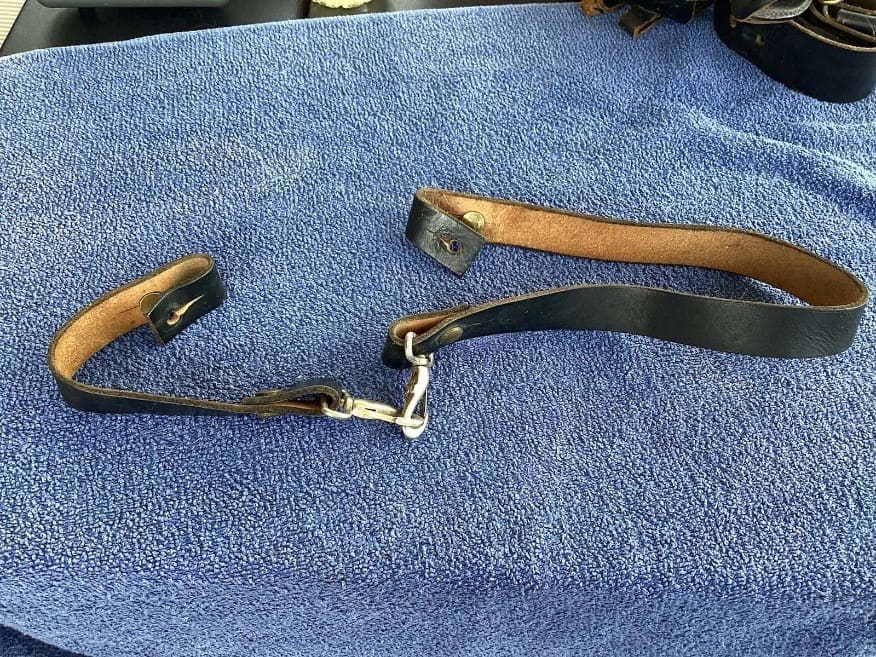
A sling has always been the quiet partner in the fight, the strap that lets a rifle ride while hands clear obstacles, signal, or return fire. What has changed is not the mission but the hardware that carries it out. Modern materials, quick-release hardware, and ambidextrous designs have turned the sling from a simple loop of leather or canvas into a precision tool that keeps the gun stable during a run, allows instant transitions to secondary weapons, and still collapses out of the way when the shooter needs to go hands-on. The evolution mirrors the broader shift in American firearms culture: the same constitutional right that once armed minutemen now equips citizens who train with the same seriousness once reserved for professionals, and the gear has followed that demand for reliability under stress.
For the 2A community this matters because equipment that performs under pressure reinforces the practical case for an armed citizenry. When a sling lets a parent keep both hands free to shepherd children to safety or allows a concealed carrier to retain positive control of a long gun during a vehicle stop, it demonstrates that the right to keep and bear arms is exercised responsibly every day, not just in theory. Critics who claim modern accessories somehow transform lawful ownership into something sinister ignore the historical continuity; the minuteman’s leather strap and today’s polymer quick-adjust sling serve the identical purpose of keeping the firearm ready without encumbering the shooter. The mission has not changed because the need for an armed populace capable of immediate, effective self-defense has not changed.
That continuity carries implications for training and culture. As more states expand constitutional carry and more citizens integrate long guns into home-defense plans, the market responds with gear that lowers the skill floor while raising the performance ceiling. The result is a feedback loop: better equipment encourages more deliberate practice, which in turn produces more competent gun owners who can articulate why the Second Amendment remains relevant. In that sense the updated sling is more than an accessory; it is evidence that the right to bear arms continues to adapt to new contexts without surrendering its founding purpose.


