

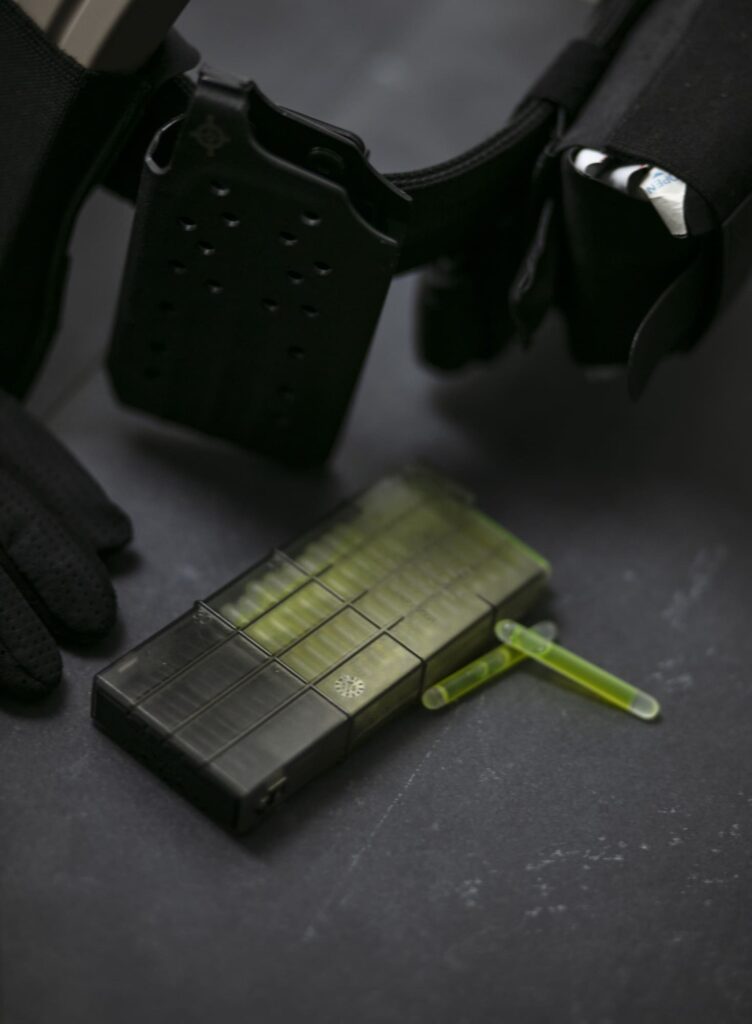
Patrol work is built on the assumption that words will always reach their target, yet the moment an officer steps out of the radio’s reliable footprint or into a structure where acoustics turn every shout into a muffled echo, that assumption collapses. The driver who cannot point to the correct driveway and the medic arriving at a dark rural address are both victims of the same gap: the inability to transmit precise, real-time location data without relying on fallible human description. When that gap widens, response times stretch, backup arrives late, and the thin margin that separates controlled contact from chaos narrows dangerously.
For the armed citizen the lesson is immediate. If professionals whose radios are engineered, encrypted, and maintained at taxpayer expense still lose comms inside a single residence, the private defender operating on a cell signal or the family that keeps a single handheld in the nightstand is even more exposed. The same technologies now moving from the military to law-enforcement—mesh-network radios, GPS pucks that survive structure penetration, and heads-up displays that paint cleared rooms—will eventually reach the civilian market. Those who stay ahead of the curve by training with redundant comms, pre-planned rally points, and low-light marking systems will not only protect their own households more effectively; they will also demonstrate, in the most practical way possible, why the right to keep and bear the tools of modern self-defense must include the supporting infrastructure of communication itself.


