

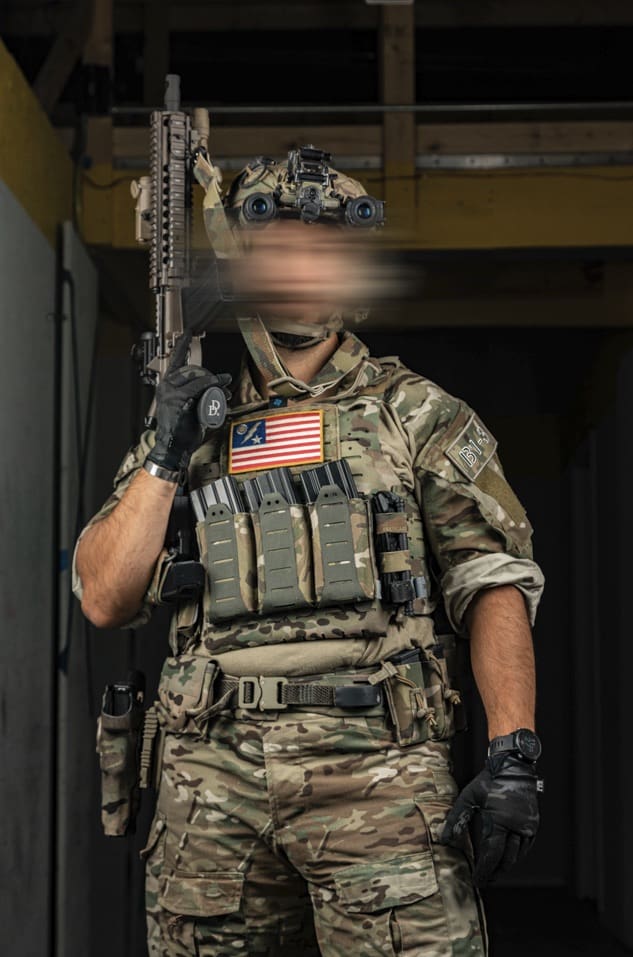
The right belt isn’t just gear—it’s the literal foundation of how an operator moves, fights, and stays alive when everything else is stripped away. Blue Force Gear’s reminder that mission dictates equipment hits especially hard for the armed citizen who may never have a logistics tail or a quick reaction force to bail them out. A patrol officer can shed weight at the end of shift; the prepared civilian carrying a concealed-carry rig plus trauma kit, spare mags, and comms has to live with every ounce for hours or days. Choosing a platform that stays planted during a scramble up a ladder, a hasty rappel off a roof, or a sudden swim isn’t fashion—it’s the difference between retaining your pistol when the world tilts and watching it disappear into the dark.
That same logic scales directly to the Second Amendment community’s growing emphasis on layered, realistic training. Range days spent drawing from a competition rig feel good until the shooter tries the same draw while clipped into a harness or wearing body armor that shifts under load. Belts built for vertical or maritime work force the user to confront those variables early, training the body to index gear under stress instead of hoping muscle memory survives when the environment changes. In an era when more citizens are responsibly carrying in rural, suburban, and even maritime settings, the lesson is clear: the belt that disappears on your hips during a flat-range drill may become a liability the moment the ground drops away or the deck starts rolling.
Ultimately, the conversation BFG is sparking pushes the 2A world past the “one belt to rule them all” mindset toward deliberate, capability-based choices. It rewards shooters who treat their kit like professionals—testing retention under movement, confirming medical access with gloves on, and verifying that every pouch rides where it belongs when the body is contorted or fatigued. That discipline doesn’t just make individuals safer; it strengthens the broader argument that armed citizens are thoughtful, competent stewards of their rights rather than hobbyists playing soldier.


