

The Polish PM-63 RAK stands out as a fascinating relic of Cold War-era ingenuity, a compact machine pistol that was designed to give Polish paratroopers and vehicle crews a serious edge in close-quarters combat. Its roller-delayed blowback system and folding stock made it a true pocket-sized powerhouse, yet its 9x18mm chambering and 15- or 25-round magazines kept it firmly in the “submachine gun” category rather than the modern pistol-caliber carbine niche. For today’s 2A community, the RAK is a reminder that compact, select-fire designs have always existed; the difference now is that American gun owners can’t legally own the real thing without navigating the NFA’s thicket of paperwork and tax stamps. That legal reality pushes enthusiasts toward legal work-arounds—pistol braces, short-barreled rifles in semi-auto, or even the growing market of roller-delayed blowback pistols like the new U.S.-made clones—each option carrying its own regulatory tightrope.
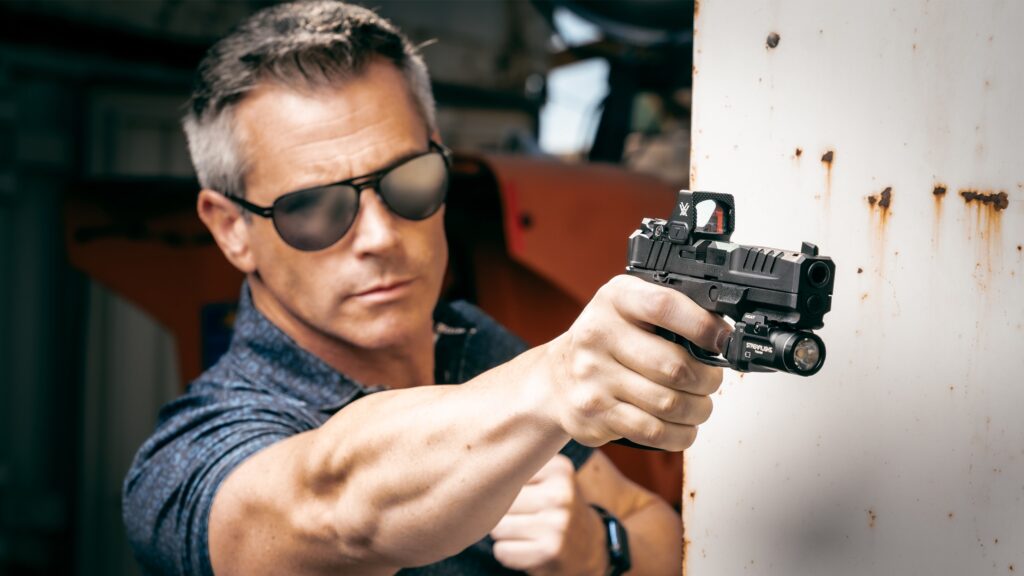
Meanwhile, Rick Hogg’s “Duty Pistol Package Nobody Can Match” underscores how far civilian training and gear have come since the days when the PM-63 was state-of-the-art. Hogg’s package isn’t just a gun; it’s a holistic system that pairs a duty-grade pistol with optics, weapon lights, and the kind of professional instruction once reserved for special-operations units. The implication for the 2A world is clear: the right to keep and bear arms is evolving from a static legal concept into a dynamic ecosystem of training, technology, and community. When everyday citizens can run drills that mirror what Hogg teaches, they’re not only exercising their rights—they’re normalizing the idea that armed self-defense is a skill set, not merely a possession.
Kevin Creighton’s “Beyond The Basics Of EDC” closes the loop by shifting the conversation from hardware to mindset. Once you’ve mastered the PM-63’s historical context and absorbed Hogg’s tactical lessons, the next frontier is integrating that knowledge into daily life without turning into a walking armory. Creighton’s piece likely explores how to balance readiness with social norms—choosing clothing that conceals modern micro-compacts the way the RAK once disappeared under a paratrooper’s jump smock, or layering medical gear alongside spare magazines. For the 2A community, this evolution from relic to regimen to routine is the real story: rights are preserved not just by owning firearms, but by weaving them seamlessly into the fabric of everyday freedom.


