

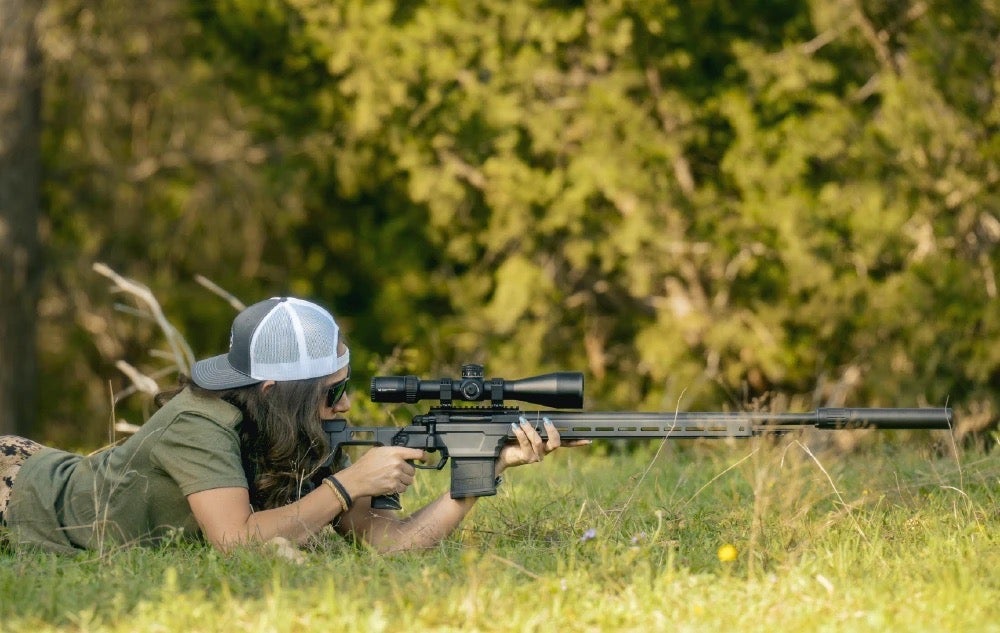
Magnum hunting cartridges push suppressors to their limits with higher pressures, hotter gases, and punishing recoil, so choosing the right can isn’t just about decibels—it’s about preserving barrel harmonics, maintaining point-of-impact shift, and surviving the kind of abuse that turns lesser baffles into scrap. Materials matter here: titanium keeps weight down for those long stalks after elk or hogs, while Inconel or stainless cores handle the sustained heat of follow-up shots without eroding or warping. Balance and length become critical too; a suppressor that adds too much forward weight can turn a fast-handling .300 Win Mag or .338 Lapua into a front-heavy club, while one that’s too short may not give enough dwell time to tame the blast that can spook game or damage hearing on the very first shot.
For the 2A community this isn’t merely gear talk—it’s a reminder that the same regulatory regime that taxes and delays these tools also limits how quickly hunters and sport shooters can adopt technology that makes shooting safer and more precise. Every suppressor that earns its place on a magnum rig proves the value of sound moderation without compromising the right to keep and bear effective arms, and it underscores why the community keeps pushing back against arbitrary restrictions that treat a basic hearing-protection device like a machine gun. When a well-engineered can lets a hunter stay in the field longer, shoot more accurately, and protect his or her hearing without sacrificing terminal performance, it quietly strengthens the case that these accessories enhance responsible firearm use rather than threaten public safety.


