

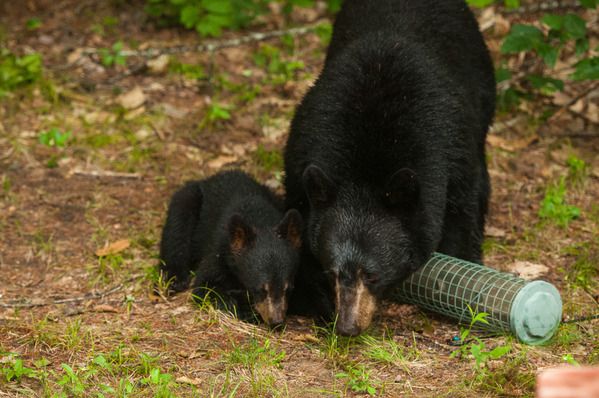
Montana’s berry crop failure is turning into a textbook case of how nature’s shortages can quickly become people’s problems, and the ripple effects reach far beyond the usual wildlife-management talking points. When natural forage collapses, black and grizzly bears don’t politely stay in the backcountry; they follow their noses into backyards, orchards, and livestock pens. Jamie Jonkel’s advice to lock down every calorie source—trash, suet cakes, chicken coops—is sound, but it also underscores a deeper truth: the farther government agencies push “coexistence” messaging without addressing root forage conditions, the more residents are left to harden their own property lines. For the armed citizen, that hardening isn’t limited to electric fencing; it includes the legal readiness to protect life and livelihood when a several-hundred-pound predator decides your property is now its pantry.
The 2A angle here is straightforward but often glossed over. Montana already recognizes the right to protect livestock and pets from depredation, yet the practical window for using that right can close quickly once an animal is labeled a “nuisance” and relocated or euthanized by officials. In a food-scarce year, the first bear through the fence is rarely the last; if state resources are stretched thin, response times lengthen and the burden of deterrence falls on the landowner. That reality dovetails with why constitutional carry and castle-doctrine statutes matter in rural counties: the same legal framework that lets Montanans secure a barn with a rifle also lets them respond to an imminent threat without waiting for a dispatcher’s callback. The berry shortage is temporary, but the precedent of self-reliant defense is permanent.
Longer term, the episode is a reminder that wildlife policy and the right to keep and bear arms are intertwined. When forage fails, bear populations don’t vanish—they redistribute. Voters who support strict limits on hunting tags or who oppose targeted culling should be prepared to explain to ranchers why their insurance premiums and personal risk should rise in step with those policy choices. Conversely, sportsmen who keep pressure on game managers to maintain sustainable harvest levels are indirectly reducing the odds that a bear will graduate from bird feeder to doorstep. In short, the current shortage is a stress test for both ecosystems and statutes; the communities that fare best will be those whose residents retain both the tools and the legal clarity to finish what nature started.


