

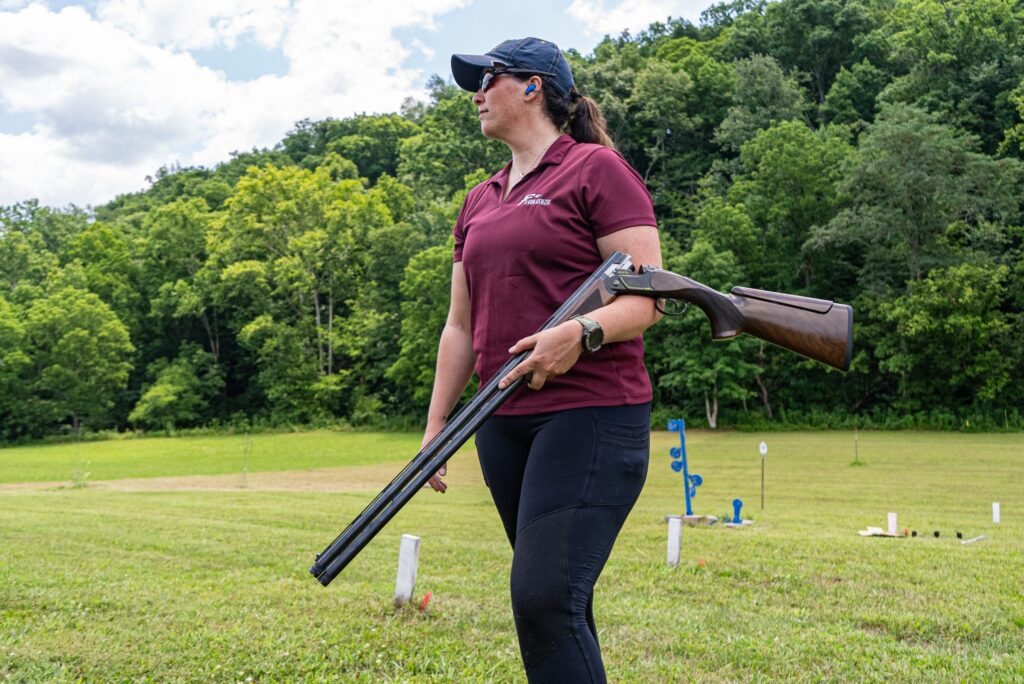
The Beretta 694 Sporting Black DLC lands in a market where shooters increasingly demand competition-grade performance without the bespoke price tag of a true custom gun. Its DLC-coated action and barrels aren’t just cosmetic; the diamond-like carbon layer shrugs off the abrasive grit that clays throw back at the breech, while the adjustable stock and 694’s already-acclaimed balance let a serious sporting-clays competitor fine-tune cast, drop, and length of pull between rounds instead of between seasons. In an era when many polymer-framed semi-autos chase lighter weight at the expense of durability, Beretta’s over-under reminds the 2A community that refined steel, executed with tight tolerances, still sets the benchmark for repeatability under the clock.
That same refinement carries a quiet political message. Every range day spent mastering a precision tool like the 694 is an implicit argument against the narrative that “nobody needs” finely made firearms. The gun’s existence proves private industry will continue to push the envelope on ergonomics, materials, and safety features so long as consumers—not regulators—drive demand. When anti-gun voices claim sporting arms are indistinguishable from “weapons of war,” the 694’s 12-gauge, fixed-breech, manually operated design stands as a clear counter-example: a firearm engineered for the clay court, not the battlefield, yet still protected by the same constitutional umbrella.
For the individual owner, the takeaway is straightforward economics. A shotgun that maintains zero and finishes a 100-bird event without a hitch preserves both scores and resale value; that reliability compounds over thousands of rounds. In short, the 694 Sporting Black DLC isn’t merely an expensive toy—it’s a statement that American sportsmen intend to keep raising the bar on what privately owned firearms can achieve, on the range and under the law.


