

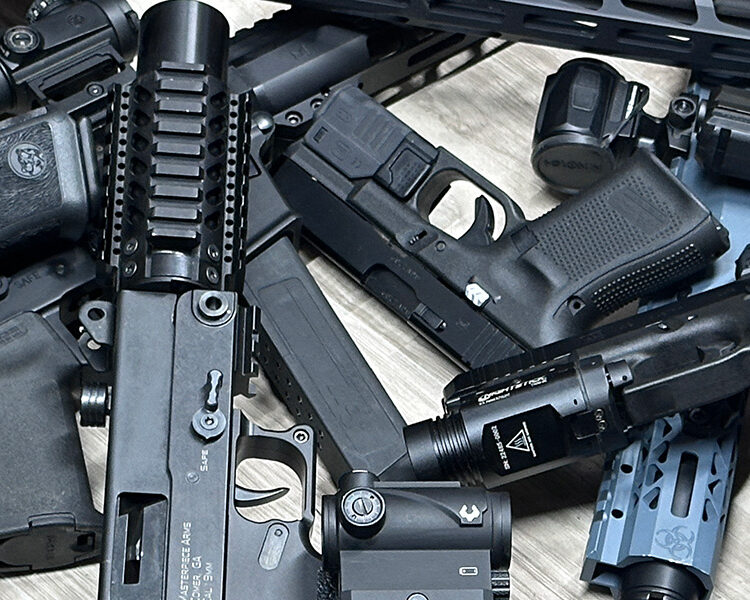
Jason Mosher’s take on Glock-magazine PCCs nails a truth the 2A community has been circling for years: standardization isn’t just convenient, it’s a force multiplier. When your pistol, your truck gun, and your competition carbine all pull from the same stack of 33-rounders, you stop burning range time sorting mismatched mags and start burning it on fundamentals. That consolidation also slashes the hidden tax of owning multiple platforms—fewer SKUs to stock, fewer springs to replace, and one proven feed geometry that has already survived millions of duty rounds. In an era when component costs and lead times swing with every supply-chain hiccup, the ability to raid the same ammo-and-mag locker for three different firearms is quietly revolutionary.
Beyond the obvious logistics win, the trend underscores how aftermarket ingenuity keeps civilian ownership ahead of regulatory creep. By grafting an AR-style receiver set onto a Glock-pattern magazine well, small manufacturers have created an entire sub-genre that inherits both the Glock’s legendary parts ecosystem and the ergonomics shooters already know from years behind an AR. That hybrid DNA means new PCCs arrive with drop-in triggers, ambidextrous controls, and aftermarket handguards already optimized for red-dots and lights—gear that would otherwise require another round of R&D spend. The result is a defensive or competition tool that feels familiar the first time you shoulder it, lowering the barrier for new shooters who might otherwise be intimidated by yet another manual of arms.
For the broader culture of preparedness, this convergence is quietly shifting how people think about “one gun” solutions. A single, high-capacity magazine format that bridges duty pistol and home-defense carbine collapses the decision tree when seconds matter, and it does so without forcing owners into oddball proprietary parts that dry up the moment a company folds. In a political climate where import restrictions and manufacturing bottlenecks are evergreen threats, that kind of cross-platform resilience is more than a convenience—it’s a hedge. Mosher’s point lands because it reframes an accessory choice as a strategic stance: the more your kit talks to itself, the harder it is for external pressures to break the chain.


