

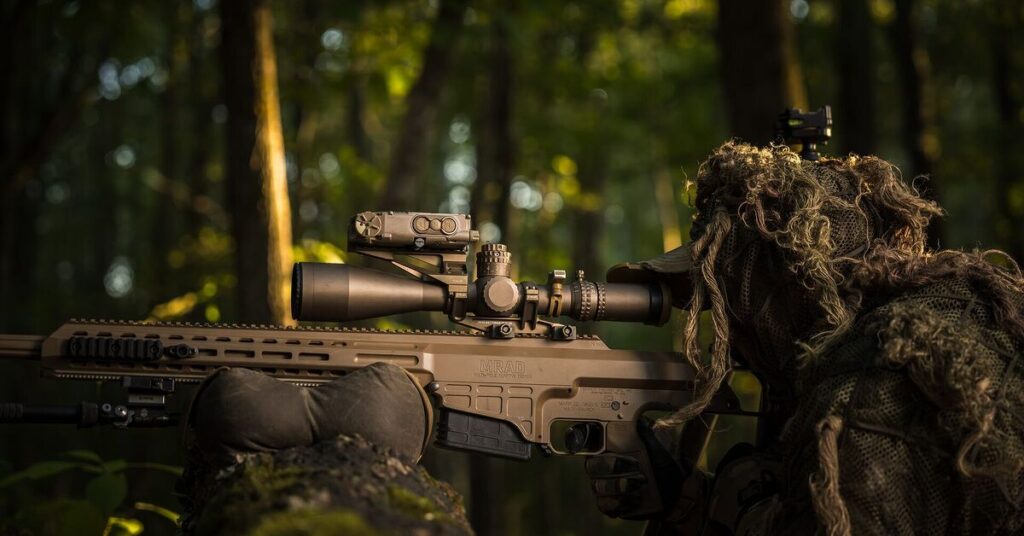
Barrett’s decision to spin a 6.8×51 mm conversion kit for the MRAD MK 22 is more than a simple caliber swap; it’s a calculated bet that the same modular chassis the Army chose for its Precision Sniper Rifle program can also serve as the bridge between military standardization and civilian long-range freedom. By keeping the rifle’s quick-change barrel interface intact, Barrett is essentially giving shooters a factory-supported path to adopt the NGSW cartridge without surrendering the accuracy, ergonomics, or aftermarket ecosystem they already trust. In an era when the federal government is simultaneously pushing new intermediate cartridges for soldiers and flirting with magazine-capacity restrictions for citizens, a single receiver that can legally wear either 7.62×51 mm or 6.8×51 mm becomes a quiet act of defiance—proof that private industry, not bureaucracy, still drives innovation.
For the 2A community the move carries deeper implications. It signals that the commercial market now has enough volume and technical sophistication to influence military supply chains rather than merely follow them. Once the conversion kits reach civilian hands, reloaders will gain access to a bottleneck case whose shoulder geometry and case capacity were optimized for modern high-pressure loads, opening fresh doors for handload experimentation that the older .308 platform simply cannot match. At the same time, Barrett’s willingness to certify the MRAD in a cartridge the Army itself is still qualifying underscores a larger truth: the right to keep and bear arms is protected not only by court rulings, but by manufacturers who refuse to let regulatory fashion dictate what shooters can own and improve upon.


