

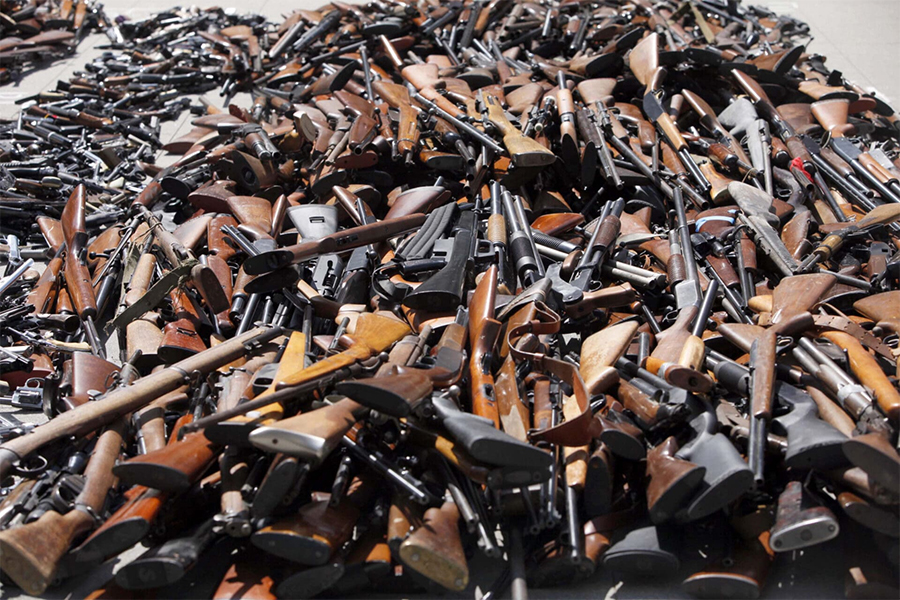
Australians are waking up to the harsh reality that strict gun control doesn’t just disarm criminals—it leaves law-abiding citizens defenseless against machete-wielding intruders while the state threatens prosecution for fighting back with a baseball bat. This isn’t some abstract policy debate; it’s a daily calculus where homeowners must weigh the risk of lethal attack against the certainty of legal jeopardy if they dare defend their families. The comparison to Venezuela isn’t hyperbole; both nations followed the same grim trajectory of centralized power, economic mismanagement, and the systematic stripping of individual rights, leaving ordinary people to bear the consequences.
For the American 2A community, this serves as a stark reminder that the right to keep and bear arms isn’t merely about hunting or sport—it’s the ultimate check against government overreach and the foundation of personal sovereignty. When citizens surrender their firearms under the guise of safety, they don’t eliminate violence; they simply ensure that only the state and criminals retain the means of force. Australia’s ongoing struggle reveals how quickly “common-sense” restrictions evolve into a culture where self-defense itself becomes criminalized, a warning that resonates every time U.S. lawmakers float new restrictions or red-flag laws.
The broader implication is clear: once rights are ceded, reclaiming them requires far more than ballots—it demands a cultural shift that recognizes armed self-reliance as essential to liberty rather than a threat to it. Australians pushing back against this erosion are fighting not just for guns, but for the principle that individuals, not bureaucrats, hold the final authority over their own survival.


