

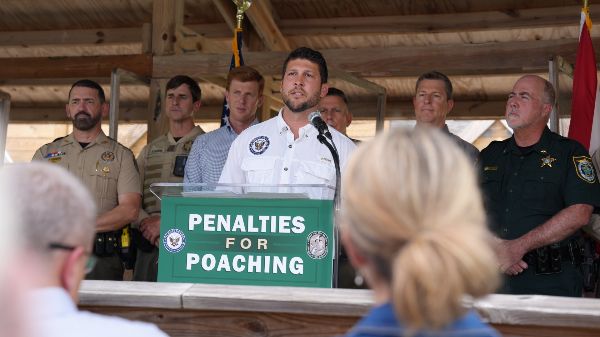
Attorney General James Uthmeier’s proposal is a textbook example of how a single, narrowly tailored statute can simultaneously punish reckless behavior and shield the overwhelming majority of lawful gun owners from collateral damage. By carving out a standalone felony that only triggers when poachers discharge firearms near homes or critical infrastructure, the bill sidesteps the usual trap of broad “gun-free zone” language that sweeps in everything from backyard plinking to legitimate self-defense. Instead, it focuses on the act of illegal taking plus the added danger of proximity to occupied structures—two elements that already place the conduct far outside normal Second Amendment activity. The permanent revocation of hunting privileges and firearm forfeiture provisions further underscore that the penalty is aimed at the underlying wildlife crime, not at the mere possession of a firearm.
For the 2A community, the real story is what the bill deliberately leaves untouched. Law-abiding hunters who follow distance-to-dwelling rules, maintain safe backstops, and harvest game during open seasons have nothing new to fear; their conduct never intersects with the new offense. At the same time, the measure sends a clear message that using a firearm as a tool to facilitate felonious poaching—especially when that conduct endangers neighbors—will cost the perpetrator both liberty and property. By routing these cases through the Statewide Prosecutor rather than local offices, the proposal also reduces the risk of uneven enforcement that sometimes plagues rural counties where political connections can blunt accountability.
The larger implication is that precision, not prohibition, remains the most effective way to address firearm misuse without eroding constitutional rights. Uthmeier’s approach treats the gun as an aggravating factor in an already illegal act rather than as contraband in its own right, preserving the distinction between the armed citizen and the armed criminal. If the legislation passes, Florida will have added another data point to the argument that targeted, conduct-based enhancements can protect public safety while leaving the core right to keep and bear arms intact for everyone else.


